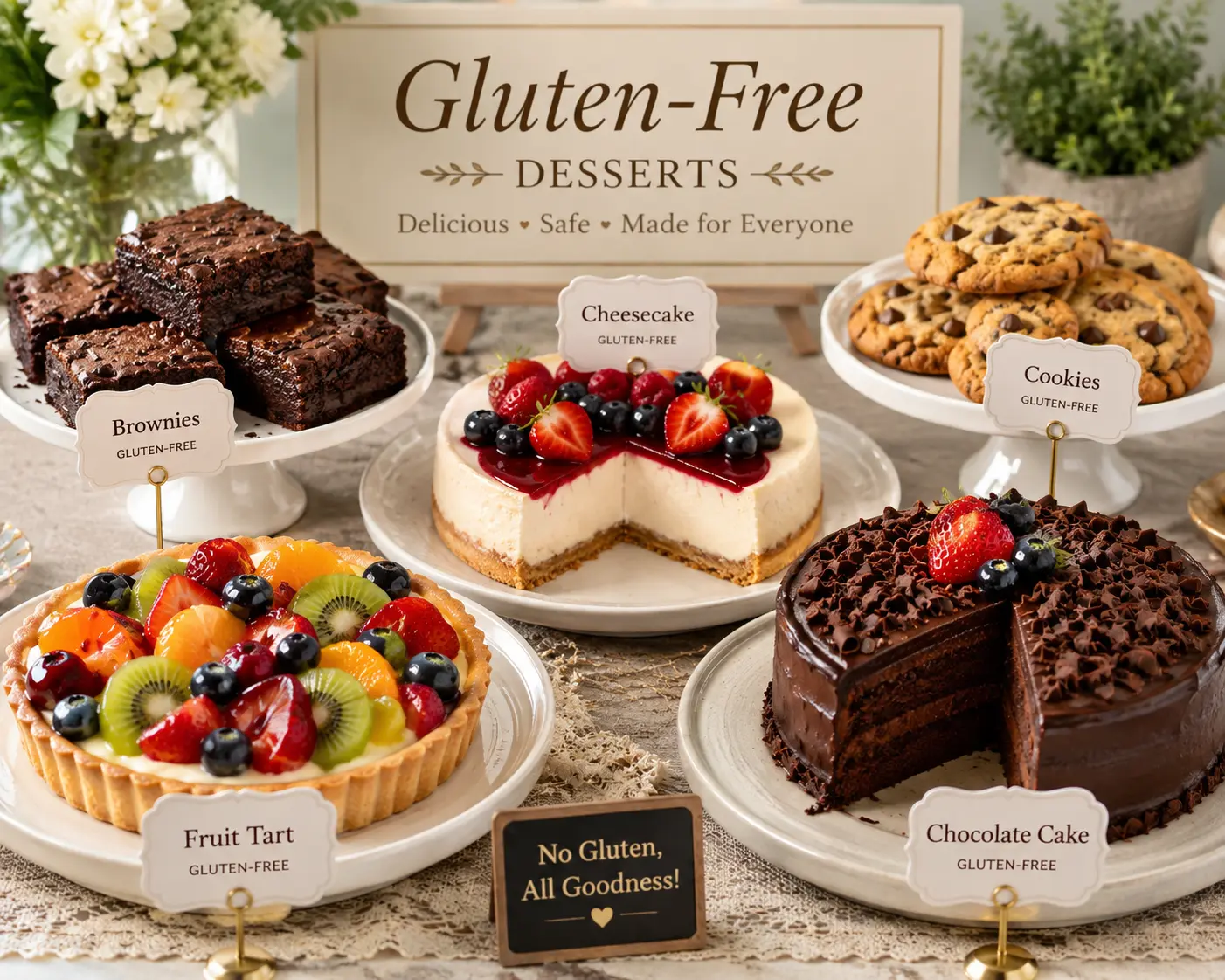
Gluten free dessert recipes make it easier than ever to enjoy cakes, cookies, brownies, cheesecakes, and other sweet treats without compromising on flavor or texture. Whether you’re living with celiac disease, managing gluten intolerance, or simply looking for new baking ideas, today’s gluten-free desserts are every bit as rich, soft, and satisfying as traditional favorites.
One of the biggest misconceptions about gluten-free baking is that it requires expensive specialty products or advanced baking skills. In reality, many delicious desserts are naturally gluten-free, while others need only a few simple ingredient swaps. With the right flour, quality ingredients, and proven baking techniques, you can create homemade desserts that everyone will love—even those who don’t follow a gluten-free diet.
In this guide, you’ll discover easy gluten-free dessert recipes, essential baking ingredients, practical tips for better results, smart ingredient substitutions, and plenty of inspiration for every occasion. Whether you’re a beginner or an experienced home baker, you’ll gain the confidence to prepare delicious gluten-free desserts that look impressive and taste amazing.
What Are Gluten-Free Desserts?
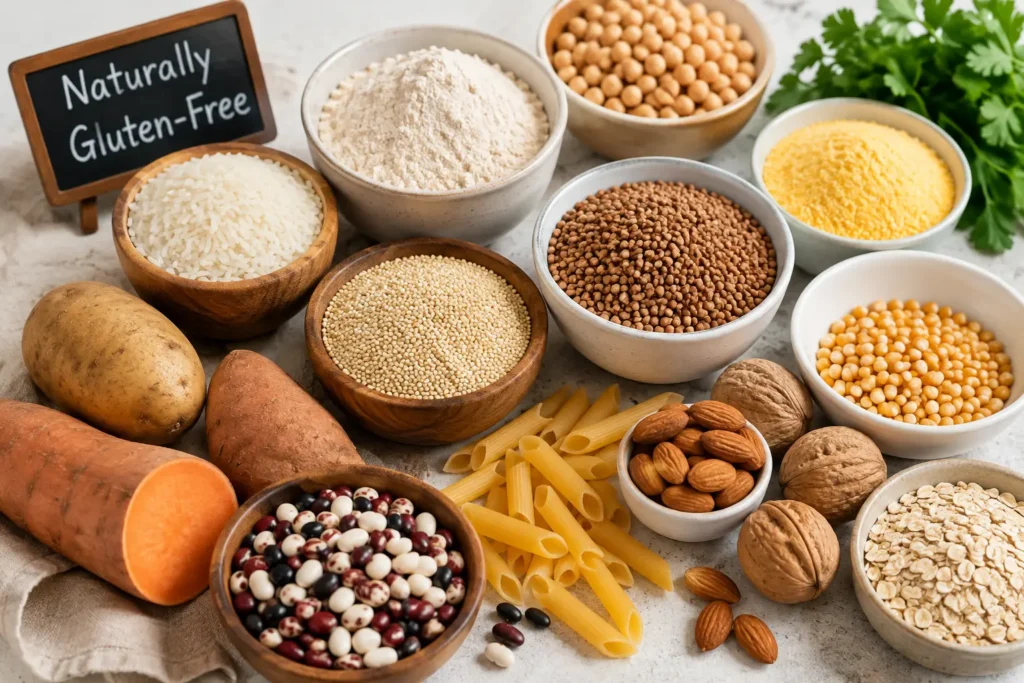
Gluten-free desserts are sweet treats made without gluten, a group of proteins naturally found in wheat, barley, and rye. People with celiac disease, wheat allergies, or gluten sensitivity need to avoid gluten to protect their health or reduce unpleasant symptoms.
Fortunately, many desserts don’t require wheat flour at all. Others can be adapted by using gluten-free flour blends or naturally gluten-free alternatives like almond flour or coconut flour.
The result? Cakes, cookies, brownies, cheesecakes, puddings, mousses, and fruit desserts that taste just as good as their traditional counterparts.
What Makes a Dessert Gluten-Free?
A dessert is considered gluten-free when every ingredient used is free from gluten and prepared in a way that prevents cross-contamination.
Common gluten-free ingredients include:
- Fresh fruit
- Eggs
- Butter
- Milk
- Heavy cream
- Cocoa powder
- Cornstarch
- Almond flour
- Coconut flour
- Certified gluten-free oats
- Rice flour
- Tapioca starch
- Potato starch
- Vanilla extract
- Nuts and seeds
Always check product labels, especially for packaged ingredients such as baking powder, chocolate chips, vanilla flavoring, and oat products. Manufacturing practices vary, and some foods may be exposed to gluten during processing.
Common Ingredients That Contain Gluten
Many baking staples naturally contain gluten. These include:
- All-purpose flour
- Bread flour
- Cake flour
- Self-rising flour
- Graham crackers
- Cookie crumbs
- Regular pie crust
- Malt flavoring
- Wheat-based cereals
- Some sprinkles and decorations
- Certain baking mixes
Reading ingredient labels carefully is one of the easiest ways to avoid accidental gluten exposure.
Naturally Gluten-Free Dessert Ingredients
Some of the best gluten-free desserts rely on ingredients that never contained gluten in the first place.
Popular naturally gluten-free ingredients include:
- Fresh berries
- Apples
- Bananas
- Mangoes
- Peaches
- Dark chocolate (check labels)
- Peanut butter
- Almond butter
- Coconut
- Yogurt
- Cream cheese
- Honey
- Maple syrup
- Chia seeds
- Pecans
- Walnuts
These ingredients make it easy to prepare flavorful desserts without relying heavily on specialty flour blends.
Essential Gluten-Free Baking Ingredients
Success in gluten-free baking starts with choosing the right ingredients. Since gluten provides structure and elasticity in traditional baking, gluten-free recipes depend on carefully selected alternatives to achieve similar results.
Stocking your pantry with a few reliable staples will make baking easier and more consistent.
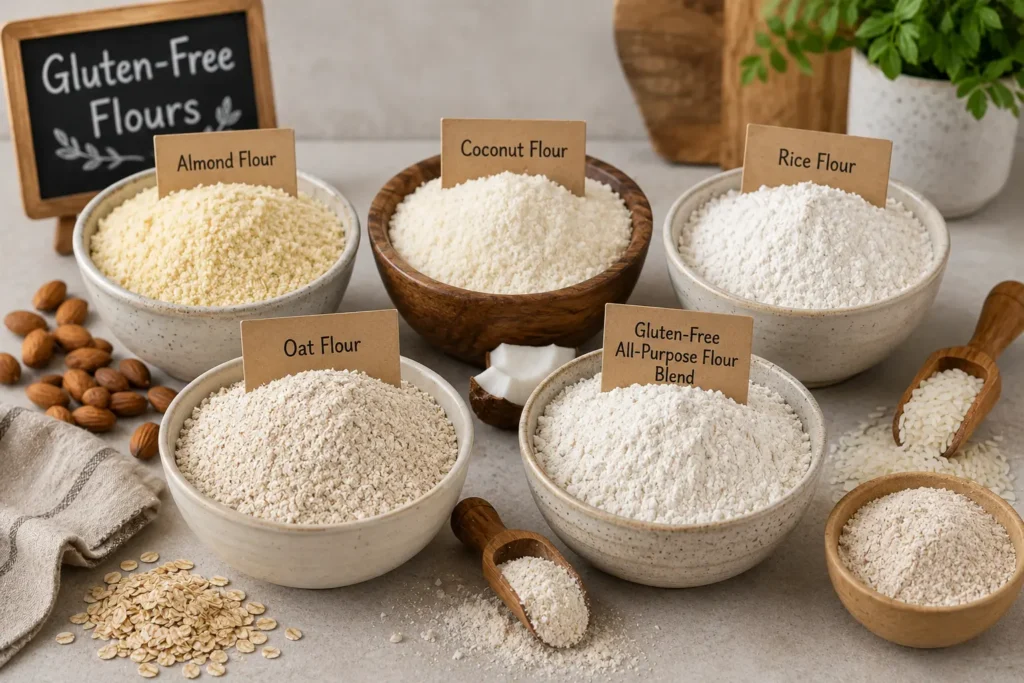
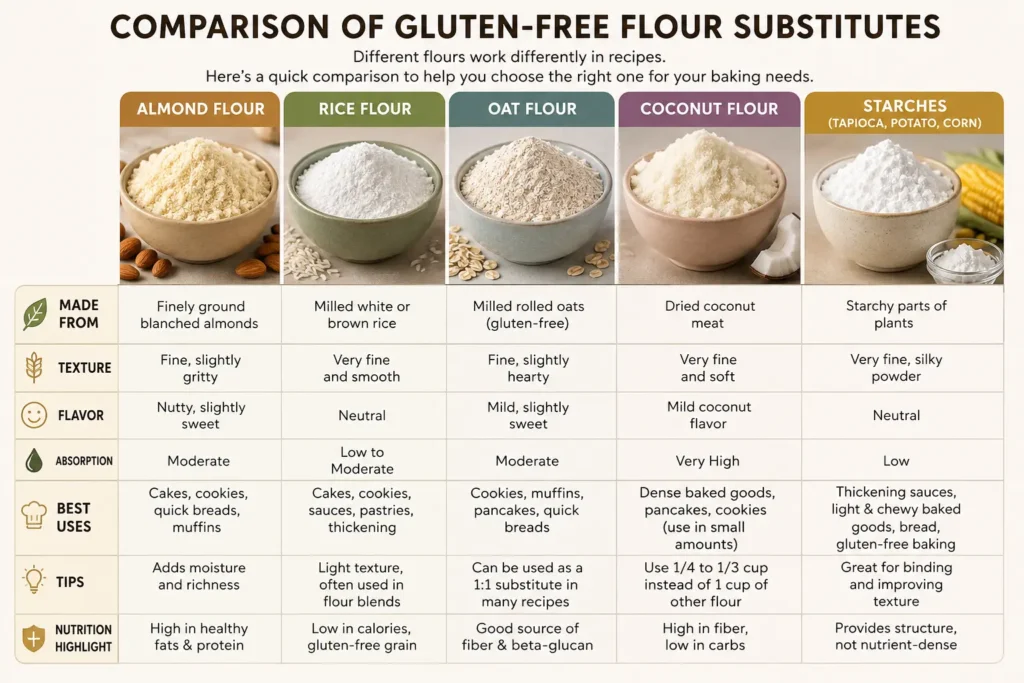
Best Gluten-Free Flours
Different gluten-free flours behave differently. Understanding when to use each one can dramatically improve your baking results.
Almond Flour
Made from finely ground almonds, almond flour creates moist cakes, soft cookies, and rich brownies.
Best for:
- Cookies
- Muffins
- Cakes
- Brownies
- Tart crusts
Pros:
- Naturally moist
- Rich, buttery flavor
- High in healthy fats
- Adds protein
Keep in mind that almond flour absorbs moisture differently than wheat flour, so recipes designed specifically for it usually produce the best results.
Coconut Flour
Coconut flour is highly absorbent, meaning a small amount goes a long way.
Best for:
- Cakes
- Pancakes
- Muffins
- Quick breads
Pros:
- High in fiber
- Mild coconut flavor
- Long shelf life
Because coconut flour absorbs much more liquid than other flours, it generally requires additional eggs or liquid ingredients to maintain a soft texture.
Certified Gluten-Free Oat Flour
Oat flour offers a mild flavor and works well in many baked goods. Choose oats specifically labeled as certified gluten-free to reduce the risk of cross-contamination.
Best for:
- Muffins
- Cookies
- Pancakes
- Snack bars
Pros:
- Soft texture
- Mild taste
- Affordable
- Easy to make at home by blending certified gluten-free oats
Rice Flour
Rice flour is one of the most common ingredients in commercial gluten-free flour blends.
Best for:
- Cakes
- Cookies
- Bread
- Pie crusts
Pros:
- Neutral flavor
- Widely available
- Versatile
It often works best when combined with starches and other flours rather than used on its own.
Gluten-Free All-Purpose Flour Blends
Many home bakers prefer ready-made gluten-free flour blends because they combine several flours and starches to mimic the performance of wheat flour.
Depending on the blend, ingredients may include:
- Rice flour
- Potato starch
- Tapioca starch
- Sorghum flour
- Xanthan gum
These blends are often the easiest option for beginners because they can replace wheat flour in many recipes with minimal adjustments.
Sweeteners
Sugar does more than sweeten desserts. It also affects moisture, browning, and texture.
Common choices include:
- Granulated sugar
- Brown sugar
- Honey
- Maple syrup
- Coconut sugar
Liquid sweeteners may require reducing other liquids in a recipe to maintain the correct consistency.
Dairy-Free Alternatives
Many readers also avoid dairy, making flexible substitutions especially useful.
Popular options include:
- Almond milk
- Oat milk (certified gluten-free if needed)
- Coconut milk
- Soy milk
- Vegan butter
- Coconut cream
These ingredients work well in cakes, puddings, frostings, and no-bake desserts.
Egg Replacements
Egg-free baking has become much easier thanks to several reliable substitutes.
Common options include:
- Flaxseed egg
- Chia seed egg
- Unsweetened applesauce
- Mashed banana
- Commercial egg replacers
Each substitute affects texture differently, so choose one recommended for the specific recipe you’re making.
Gluten-Free Baking Tips for Beginners
Learning a few simple techniques can make the difference between dry, crumbly desserts and bakery-quality results.
Prevent Dry Texture
Gluten-free baked goods often dry out more quickly than traditional desserts.
To keep them soft:
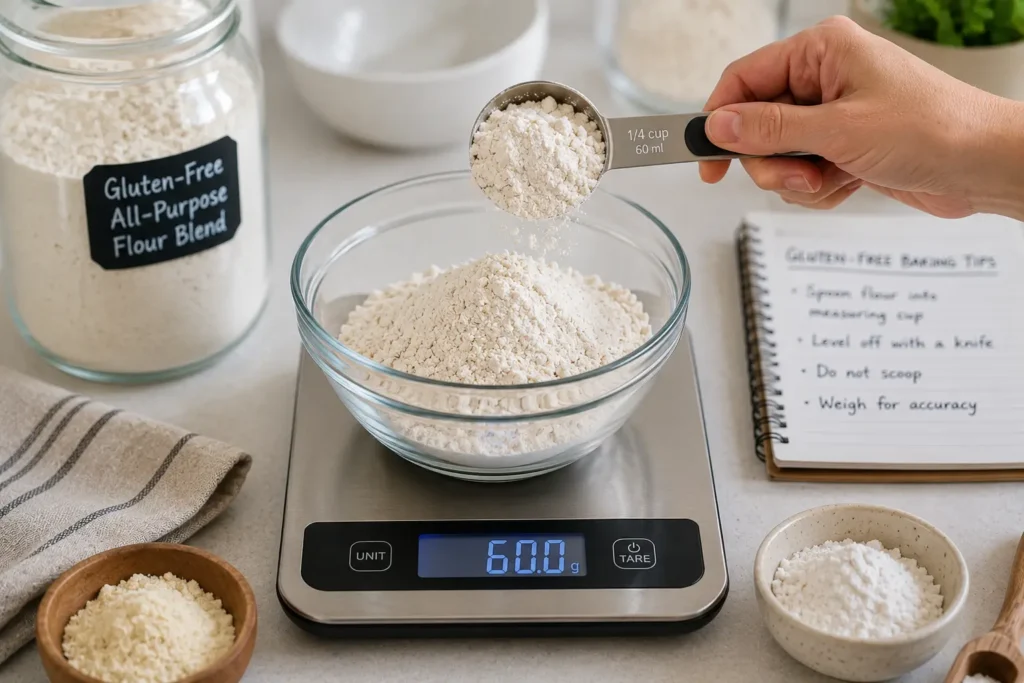
- Measure flour accurately.
- Avoid overbaking.
- Store desserts in airtight containers.
- Add ingredients like yogurt, sour cream, or applesauce when appropriate.
Even an extra few minutes in the oven can significantly reduce moisture.
Improve Moisture
Moisture is one of the keys to delicious gluten-free desserts.
Helpful ingredients include:
- Greek yogurt
- Mashed bananas
- Pumpkin puree
- Applesauce
- Coconut milk
- Sour cream
These ingredients not only add moisture but also improve flavor and tenderness.
Avoid Crumbly Cakes
Without gluten, cakes may fall apart more easily.
To improve structure:
- Use recipes developed specifically for gluten-free baking.
- Let batter rest for 15–30 minutes before baking when recommended.
- Allow cakes to cool completely before slicing.
- Use flour blends that already contain a binding ingredient, or follow the recipe’s instructions for binders if needed.
Patience during cooling often leads to cleaner slices and a better texture.
Prevent Cross-Contamination
For individuals with celiac disease, preventing cross-contamination is just as important as using gluten-free ingredients.
Helpful practices include:
- Use clean mixing bowls and utensils.
- Avoid wooden cutting boards that have been used with wheat-based doughs.
- Store gluten-free flours separately.
- Use dedicated toasters if preparing gluten-free baked items.
- Wash countertops thoroughly before baking.
If you’re baking for someone with celiac disease, always confirm that packaged ingredients are labeled gluten-free where appropriate.
Comparison Table: Popular Gluten-Free Flours
| Flour | Best For | Flavor | Texture | Beginner-Friendly |
| Almond Flour | Cakes, brownies, cookies | Nutty | Moist and tender | Yes |
| Coconut Flour | Muffins, quick breads | Mild coconut | Dense if overused | Moderate |
| Oat Flour (Certified Gluten-Free) | Cookies, muffins, pancakes | Mild | Soft | Yes |
| Rice Flour | Cakes, pie crusts, cookies | Neutral | Light when blended | Yes |
| Gluten-Free All-Purpose Blend | Most baked desserts | Neutral | Similar to wheat flour | Excellent |
Choosing the right flour is one of the most important decisions you’ll make when baking gluten-free. Beginners often have the most consistent success with a quality gluten-free all-purpose flour blend, while experienced bakers may enjoy experimenting with combinations of almond, oat, coconut, and rice flour to create their ideal texture and flavor.
In the next section, we’ll put these ingredients and techniques into practice with a collection of easy gluten-free dessert recipes, including rich chocolate favorites, fruit-based treats, quick no-bake options, and healthier alternatives that are perfect for everyday baking.
Easy Gluten-Free Dessert Recipes Everyone Will Love
Now that you’ve learned the basics of gluten-free baking, it’s time for the fun part—making desserts. Whether you’re craving rich chocolate, fresh fruit, creamy cheesecake, or a quick no-bake treat, there are plenty of options that don’t sacrifice flavor or texture.
The recipes below are designed to inspire your baking. Adjust ingredients as needed to suit your dietary preferences, and always confirm packaged ingredients are labeled gluten-free when serving someone with celiac disease.
Flourless Chocolate Cake
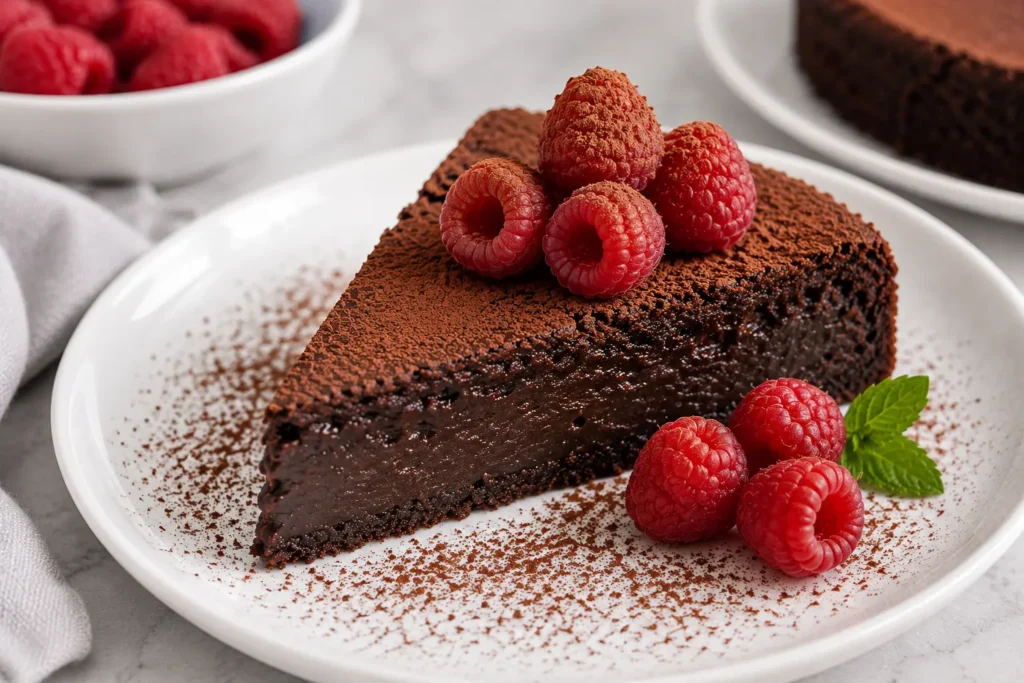
A flourless chocolate cake is proof that you don’t need wheat flour to create an elegant dessert. Dense, rich, and intensely chocolatey, it’s a favorite for birthdays, holidays, and dinner parties.
Why You’ll Love It
- Naturally gluten-free
- Rich chocolate flavor
- Moist texture
- Great for special occasions
- Freezes well
Serving Ideas
Top each slice with:
- Fresh raspberries
- Strawberries
- Whipped cream
- Chocolate shavings
- A dusting of cocoa powder
Gluten-Free Peanut Butter Cookies
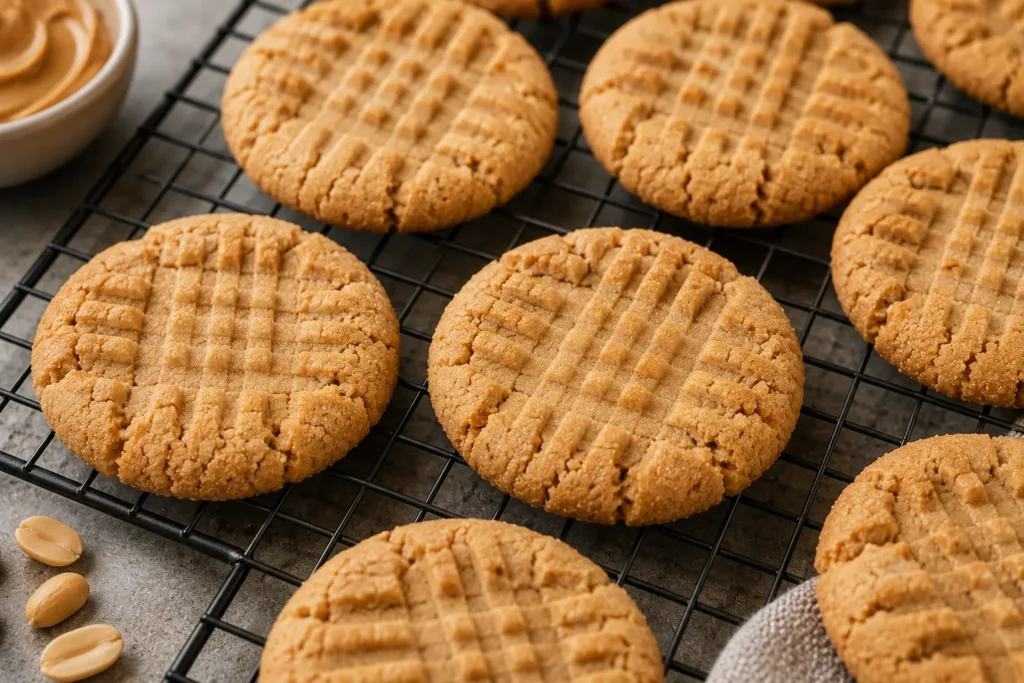
These cookies are one of the easiest desserts to make because many recipes require only a handful of pantry ingredients.
They’re soft in the center, lightly crisp around the edges, and packed with peanut butter flavor.
Tips for Success
- Use smooth peanut butter for a softer texture.
- Chill the dough if it feels sticky.
- Avoid overbaking-the cookies continue to set as they cool.
For extra flavor, fold in certified gluten-free chocolate chips or chopped peanuts.
Fudgy Gluten-Free Brownies
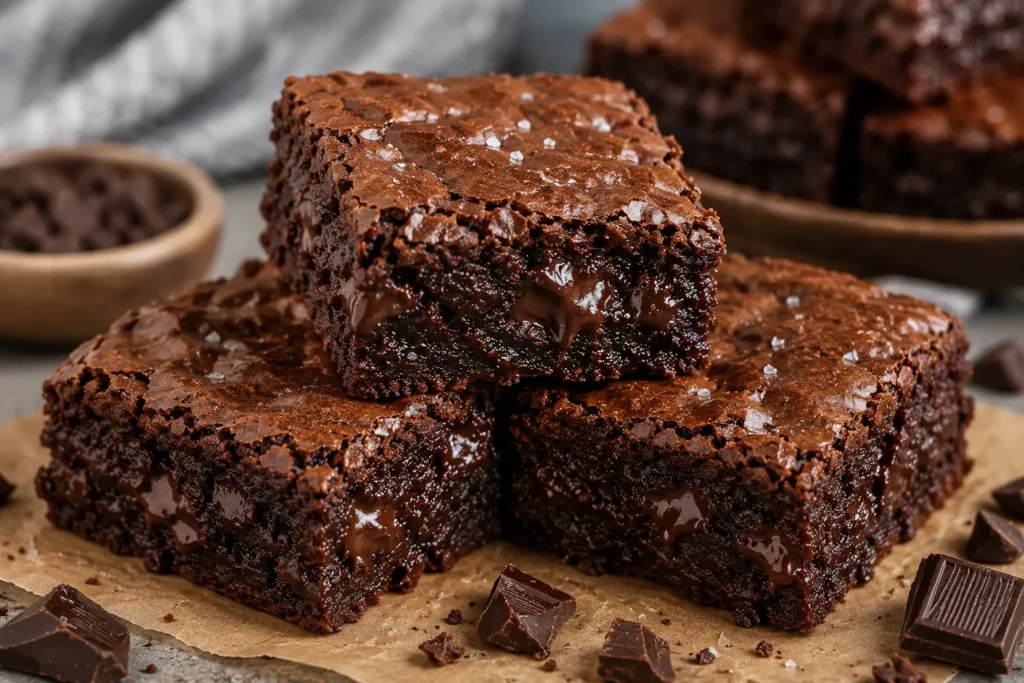
Brownies are often one of the first recipes people try when switching to gluten-free baking because they’re naturally forgiving.
The secret to a rich brownie is balancing fat, sugar, and chocolate without overmixing the batter.
Make Them Even Better
Mix in ingredients like:
- Dark chocolate chunks
- Walnuts
- Pecans
- Espresso powder
- Caramel drizzle
- Sea salt flakes
These simple additions create bakery-style brownies with very little extra effort.
Gluten-Free Vanilla Cupcakes
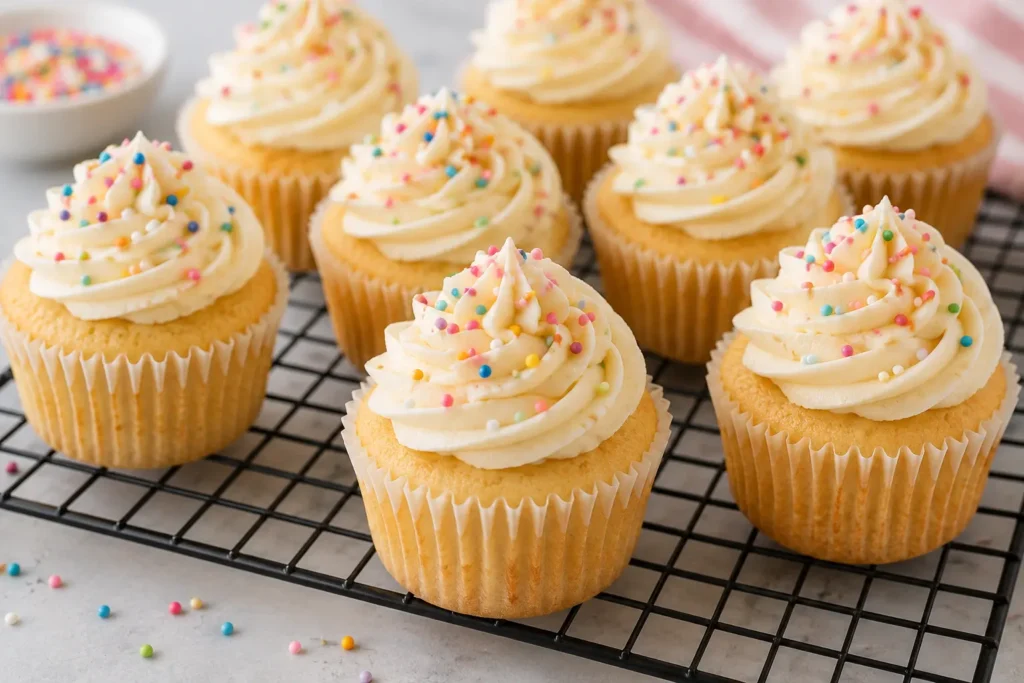
Vanilla cupcakes are perfect for birthdays, school celebrations, or weekend baking.
A good gluten-free cupcake should be:
- Soft
- Light
- Moist
- Easy to frost
Classic buttercream pairs beautifully with vanilla cupcakes, but cream cheese frosting and chocolate frosting are equally delicious.
Decorate with naturally colored sprinkles, fresh fruit, or shredded coconut for a festive finish.
Gluten-Free Lemon Bars
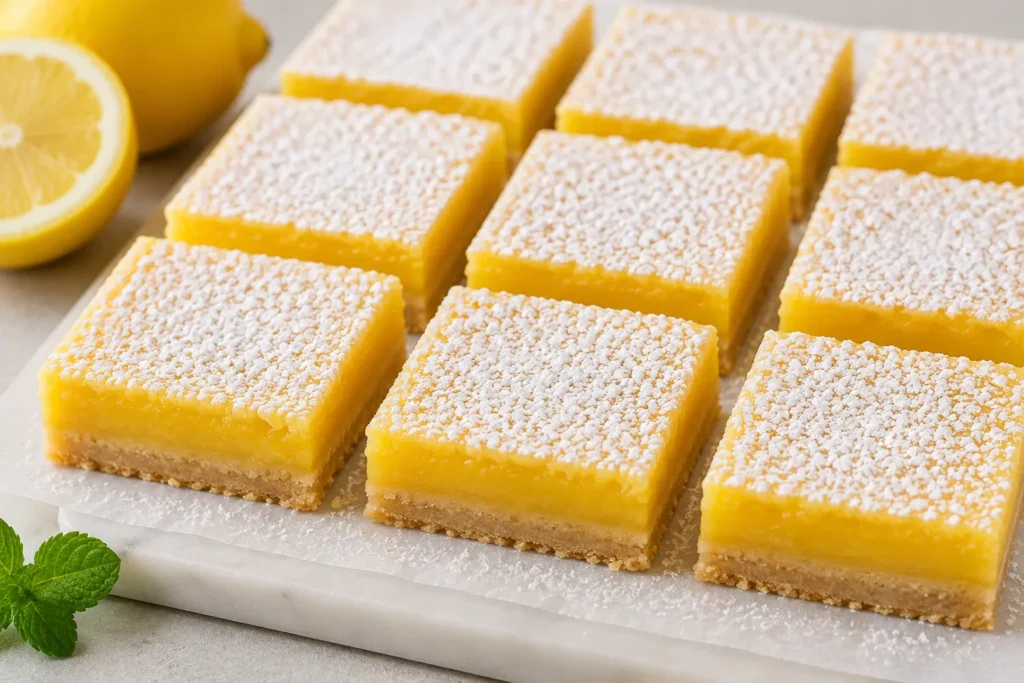
If you enjoy bright, refreshing desserts, lemon bars are a fantastic choice.
Their buttery crust and tangy lemon filling create a perfect balance of sweet and tart.
For the best texture:
- Allow them to cool completely.
- Chill before slicing.
- Dust lightly with powdered sugar just before serving.
They’re an excellent make-ahead dessert for spring gatherings and afternoon tea.
Gluten-Free Cheesecake
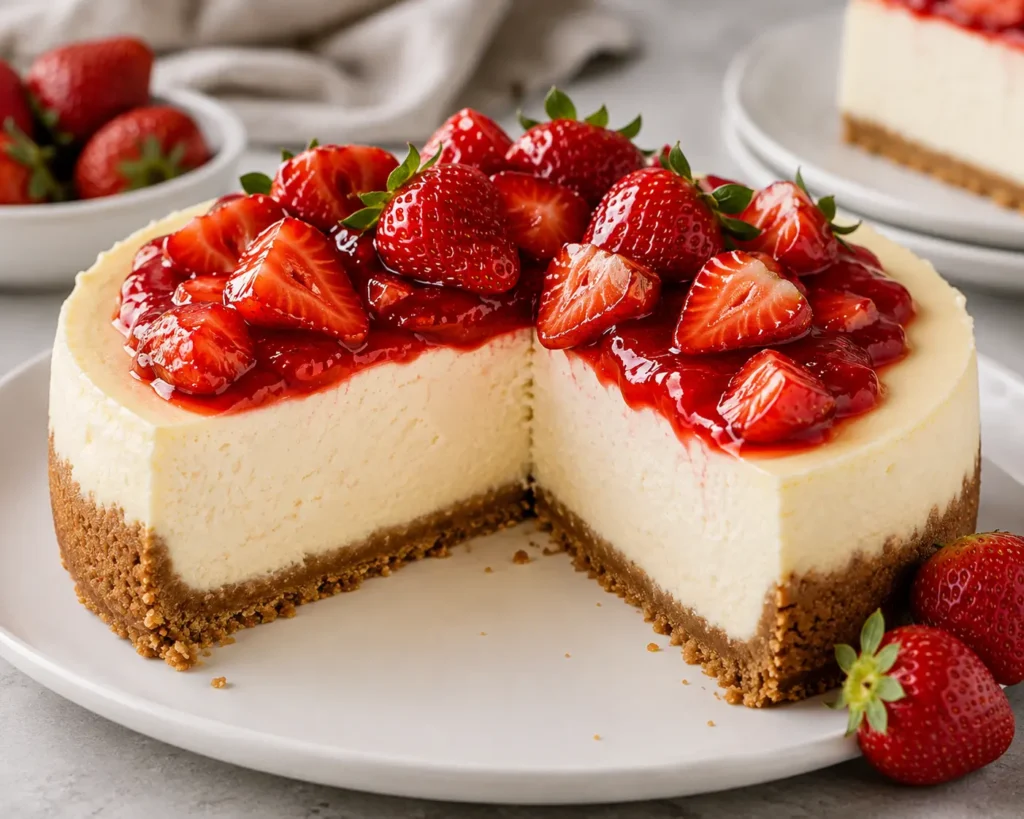
Cheesecake is naturally low in flour, making it easy to adapt for gluten-free diets.
Simply replace a traditional graham cracker crust with a gluten-free alternative or a crust made from almond flour and butter.
Popular Cheesecake Flavors
- Classic vanilla
- Strawberry
- Blueberry
- Chocolate
- Pumpkin
- Salted caramel
- Lemon
Cheesecake often tastes even better the next day, making it an ideal dessert for entertaining.
Gluten-Free Fruit Crisp
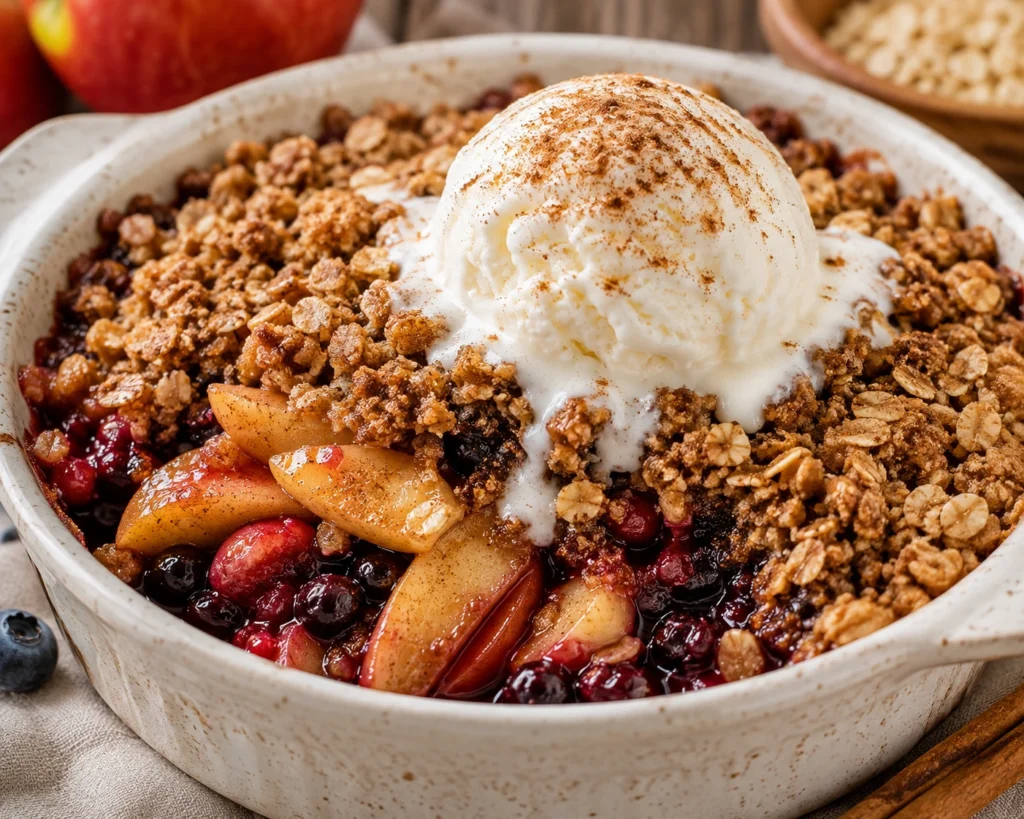
Fruit crisps are among the easiest desserts to prepare because they highlight seasonal produce.
Popular fruit combinations include:
- Apple and cinnamon
- Peach and blueberry
- Mixed berry
- Cherry
- Pear and cranberry
A crisp topping made with certified gluten-free oats, butter, brown sugar, and cinnamon adds wonderful texture.
Serve warm with vanilla ice cream or whipped cream for a comforting dessert.
Chocolate Mousse
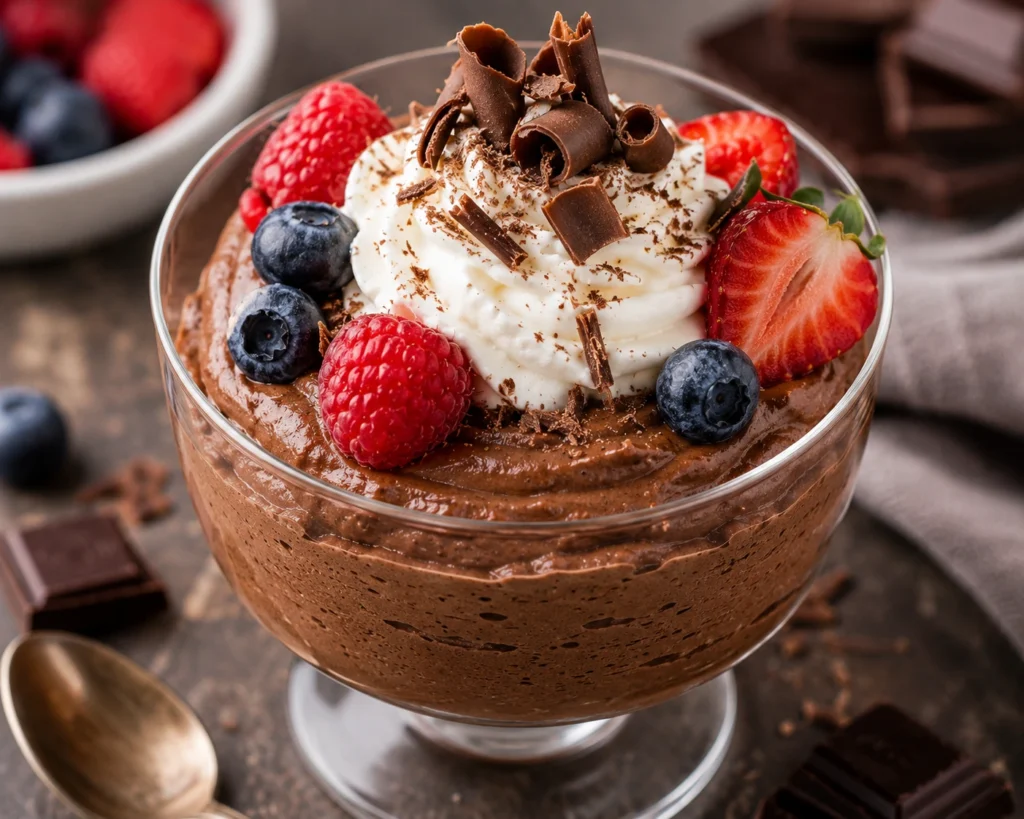
Chocolate mousse feels luxurious yet requires very few ingredients.
Its smooth, airy texture makes it an excellent choice when you want something elegant without turning on the oven.
Garnish Ideas
- Chocolate curls
- Fresh berries
- Mint leaves
- Cocoa powder
- Toasted almonds
Serve in individual glasses for a beautiful presentation.
Rice Pudding
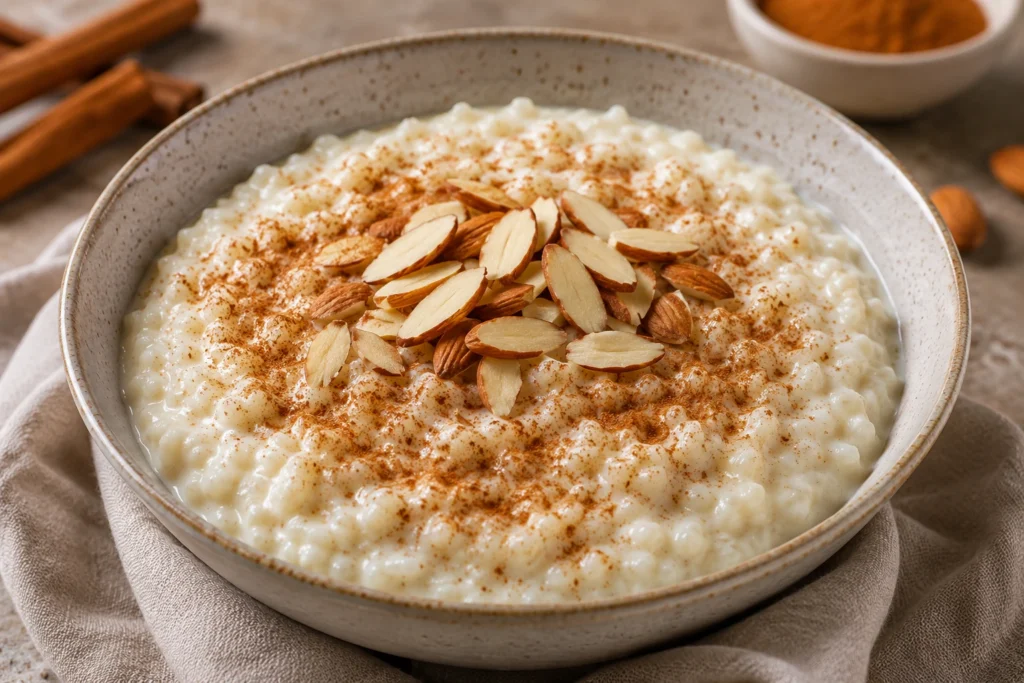
Rice pudding is a timeless comfort dessert enjoyed in many cultures.
Creamy, lightly sweetened, and easy to customize, it’s naturally gluten-free when prepared with gluten-free ingredients.
Flavor variations include:
- Cinnamon
- Cardamom
- Vanilla bean
- Orange zest
- Raisins
- Pistachios
It’s delicious served warm or chilled.
Gluten-Free Banana Bread
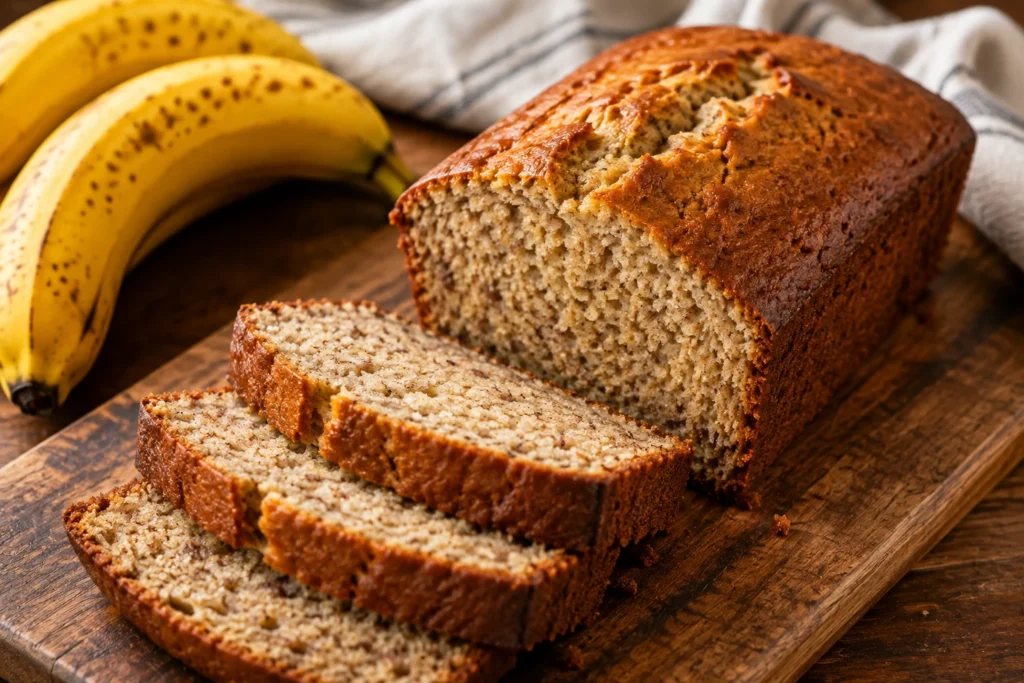
Banana bread is one of the best ways to use overripe bananas.
A successful gluten-free version should be moist, tender, and packed with banana flavor.
Optional mix-ins include:
- Chocolate chips
- Walnuts
- Pecans
- Cinnamon
- Coconut flakes
Enjoy it for dessert, breakfast, or an afternoon snack.
No-Bake Gluten-Free Desserts
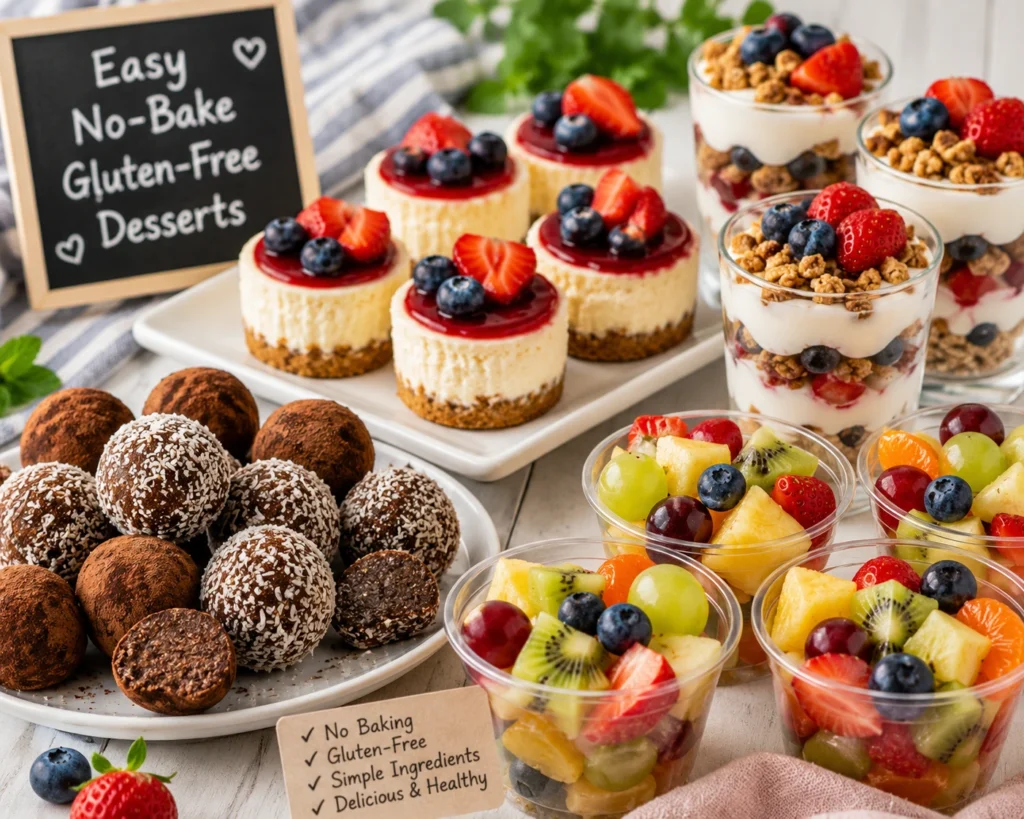
No-bake desserts are perfect during warmer months or whenever you need something quick and simple.
Most require minimal equipment and can be prepared ahead of time.
Mini Cheesecake Cups
Individual cheesecake cups are easy to serve and ideal for parties.
Layer:
- Gluten-free cookie crumbs
- Cream cheese filling
- Fresh fruit
- Berry sauce
Preparing individual portions also makes entertaining easier.
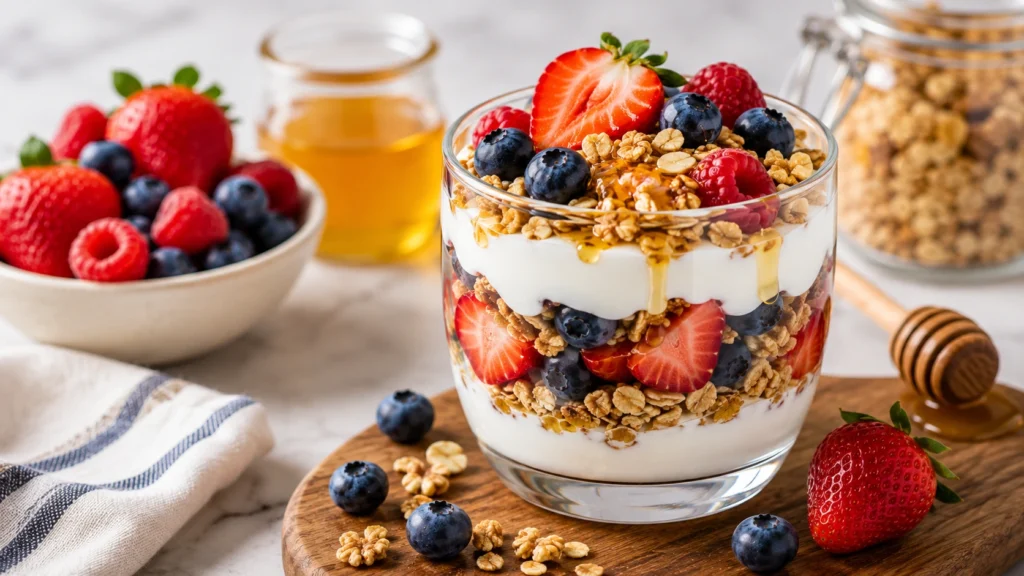
Yogurt Parfaits
Yogurt parfaits are fresh, colorful, and highly customizable.
Layer together:
- Greek yogurt
- Fresh berries
- Gluten-free granola
- Honey
- Chopped nuts
They work equally well as a light dessert or a nutritious breakfast.
Chocolate Truffles
Homemade truffles look impressive but require surprisingly little effort.
Roll chilled chocolate ganache in coatings such as:
- Cocoa powder
- Coconut
- Chopped pistachios
- Finely chopped almonds
- Crushed freeze-dried berries
Package them in decorative boxes for thoughtful homemade gifts.
Energy Bites
Energy bites satisfy a sweet craving while offering a convenient grab-and-go snack.
Common ingredients include:
- Certified gluten-free oats
- Peanut butter
- Honey
- Chia seeds
- Flaxseed
- Mini chocolate chips
Store them in the refrigerator for a quick treat throughout the week.
Frozen Yogurt Bark
Frozen yogurt bark is especially popular during summer.
Spread yogurt onto a baking tray and top with:
- Blueberries
- Strawberries
- Kiwi
- Mango
- Coconut
- Dark chocolate pieces
Freeze until firm, then break into rustic pieces.
It’s colorful, refreshing, and incredibly easy to prepare.
Healthy Gluten-Free Dessert Recipes
Eating gluten-free doesn’t automatically make a dessert healthier. However, thoughtful ingredient choices can create treats that are satisfying while including more nutrient-rich foods.
Fruit-Based Desserts
Fresh fruit naturally adds sweetness, color, and moisture.
Easy ideas include:
- Baked apples
- Grilled peaches
- Berry salad
- Roasted pears
- Fruit skewers with yogurt dip
These desserts are simple enough for everyday meals.
Lower-Sugar Options
If you’re reducing added sugar, try recipes that rely more heavily on naturally sweet ingredients.
Examples include:
- Mashed bananas
- Applesauce
- Dates
- Fresh berries
- Unsweetened cocoa powder
Remember that reducing sugar can affect texture, moisture, and browning, so follow recipes specifically developed for lower-sugar baking.
High-Protein Desserts
Protein-rich desserts can help keep you feeling satisfied longer.
Popular ingredients include:
- Greek yogurt
- Cottage cheese
- Nut butter
- Almond flour
- Chia seeds
These ingredients work well in parfaits, puddings, cheesecakes, and smoothies.
Vegan Gluten-Free Desserts
Many gluten-free recipes can also be made vegan with a few substitutions.
Common swaps include:
| Traditional Ingredient | Vegan Alternative |
| Butter | Vegan butter or coconut oil |
| Milk | Almond, soy, or oat milk* |
| Eggs | Flaxseed or chia egg |
| Heavy cream | Coconut cream |
| Cream cheese | Dairy-free cream cheese |
*Choose oat milk labeled gluten-free if preparing desserts for someone who must strictly avoid gluten.
Gluten-Free Desserts for Holidays
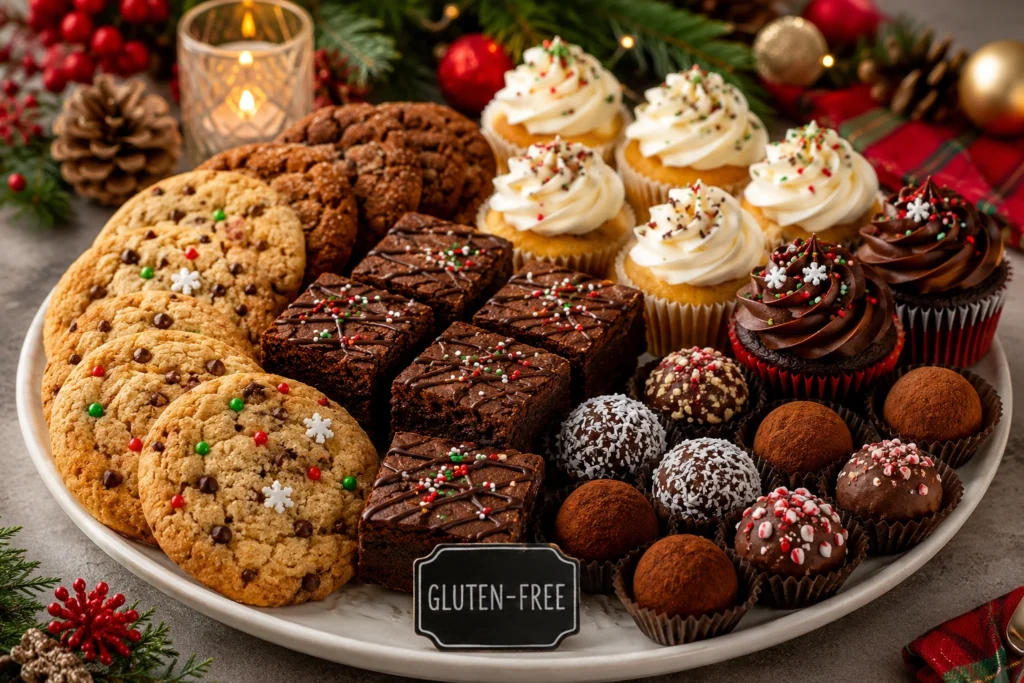
Holiday gatherings often revolve around food, making inclusive dessert options especially important.
Preparing gluten-free desserts allows everyone to enjoy the celebration together.
Christmas Favorites
Popular ideas include:
- Flourless chocolate cake
- Peppermint brownies
- Ginger cookies made with gluten-free flour
- Cranberry bars
- Chocolate truffles
Decorate with festive toppings to make them holiday-ready.
Thanksgiving Classics
Autumn desserts pair beautifully with warm spices.
Favorites include:
- Pumpkin cheesecake
- Apple crisp
- Pecan bars
- Sweet potato pie with a gluten-free crust
- Cinnamon pear crumble
These desserts can often be prepared a day ahead.
Easter Desserts
Spring-inspired desserts focus on bright flavors and fresh fruit.
Great choices include:
- Lemon cupcakes
- Berry pavlova
- Coconut macaroons
- Strawberry cheesecake
- Carrot cake made with gluten-free flour
Fresh flowers and colorful berries make beautiful natural decorations.
Halloween Treats
Fun gluten-free Halloween desserts include:
- Chocolate spider cupcakes
- Ghost meringues
- Pumpkin brownies
- Candy-coated popcorn using gluten-free ingredients
- Monster cookies
Always double-check candy labels, as ingredients can vary between brands and seasonal products.
Birthday Party Desserts
Birthday celebrations become easier when you offer a variety of gluten-free treats.
Consider serving:
- Cupcakes
- Brownie bites
- Cake pops
- Mini cheesecakes
- Chocolate-covered strawberries
Offering individual portions also helps reduce the risk of accidental cross-contact during serving.
Gluten-Free Desserts for Kids

Children often enjoy desserts with bright colors, fun shapes, and interactive decorating.
Simple recipes encourage them to participate in the kitchen while learning basic baking skills.
Kid-friendly ideas include:
- Banana pops dipped in chocolate
- Yogurt parfaits
- Fruit pizzas on gluten-free cookie bases
- Mini cupcakes
- Rice cereal treats made with gluten-free cereal
- Homemade popsicles
Encourage creativity by setting out bowls of fruit, shredded coconut, chopped nuts (if appropriate), and gluten-free sprinkles so children can decorate their own desserts.
In the next section, we’ll cover smart ingredient substitutions, the most common gluten-free baking mistakes, storage and freezing tips, answers to frequently asked questions, and a practical conclusion to help you bake with confidence.
Ingredient Substitutions for Gluten-Free Baking
One of the biggest advantages of modern gluten-free baking is flexibility. If you don’t have a specific ingredient on hand or need to accommodate additional dietary restrictions, there are often several suitable alternatives.
While substitutions can work well, remember that every ingredient affects texture, moisture, and flavor differently. For the most reliable results, use recipes that have been tested with your chosen substitute whenever possible.
Flour Substitutions
Different gluten-free flours absorb liquid differently, so they aren’t always interchangeable in equal amounts.
| If You Have | You Can Try | Best Used For |
| Gluten-free all-purpose flour | Almond flour* | Cakes, cookies, brownies |
| Rice flour | Gluten-free flour blend | General baking |
| Oat flour (certified gluten-free) | Sorghum flour | Muffins and quick breads |
| Coconut flour | Use only in recipes designed for it | Cakes and muffins |
*Almond flour behaves very differently from all-purpose gluten-free blends, so avoid making a direct 1:1 substitution unless the recipe specifically recommends it.
Butter Alternatives
Whether you’re dairy-free or simply out of butter, these substitutes can work well:
- Vegan butter
- Coconut oil
- Light olive oil (for some cakes and muffins)
- Avocado oil
- Plant-based baking sticks
Each option produces a slightly different flavor and texture, so choose one that complements the dessert you’re making.
Sugar Alternatives
Many desserts can be sweetened with alternatives such as:
- Honey
- Maple syrup
- Coconut sugar
- Date paste
Because liquid sweeteners add moisture, recipes may require adjustments to maintain the correct consistency.
Milk Alternatives
Plant-based milks perform well in many desserts.
Popular choices include:
- Almond milk
- Soy milk
- Coconut milk
- Certified gluten-free oat milk
- Cashew milk
Choose unsweetened varieties unless the recipe calls for added sweetness.
Egg Alternatives
If you’re baking for someone with an egg allergy or following a vegan diet, consider these replacements:
- Flaxseed egg
- Chia egg
- Unsweetened applesauce
- Mashed banana
- Commercial egg replacer
Some substitutes create a denser texture, while others produce lighter baked goods. Experiment to find your favorite for different recipes.
Common Gluten-Free Baking Mistakes
Even experienced bakers occasionally run into problems when adapting recipes. Fortunately, most issues are easy to fix once you know what causes them.
Using the Wrong Flour
Not all gluten-free flours perform the same way.
For example:
- Coconut flour absorbs much more liquid than rice flour.
- Almond flour adds moisture and richness.
- Flour blends often contain starches and binders that improve texture.
Whenever possible, follow recipes developed specifically for the flour you’re using.
Measuring Ingredients Incorrectly
Too much flour is one of the most common reasons gluten-free desserts become dry or crumbly.
For greater accuracy:
- Spoon flour into the measuring cup.
- Level it with a straight edge.
- Avoid scooping directly from the bag, which can pack in extra flour.
If you bake frequently, using a kitchen scale can help improve consistency.
Overmixing the Batter
Unlike traditional wheat doughs, gluten-free batters don’t benefit from extended mixing.
Overmixing may:
- Create a dense texture
- Reduce tenderness
- Affect the final rise
Mix only until the ingredients are combined.
Skipping Rest Time
Many gluten-free batters improve after resting for 15 to 30 minutes before baking.
This allows the flours and starches to absorb moisture more evenly, often resulting in:
- Better structure
- Improved texture
- Less grittiness
Always follow the instructions in your chosen recipe.
Overbaking
Because gluten-free desserts can dry out quickly, checking for doneness is important.
A few simple tips:
- Start checking several minutes before the suggested baking time.
- Use a toothpick when appropriate.
- Allow baked goods to finish setting as they cool.
Slightly underbaked brownies, for example, often become perfectly fudgy after cooling.
Poor Storage
Freshly baked gluten-free desserts can lose moisture faster than traditional baked goods.
To keep them fresh:
- Store in airtight containers.
- Refrigerate desserts that contain dairy-based fillings or frostings.
- Freeze extras for longer storage.
Proper storage helps preserve flavor and texture.
Storage and Freezing Tips
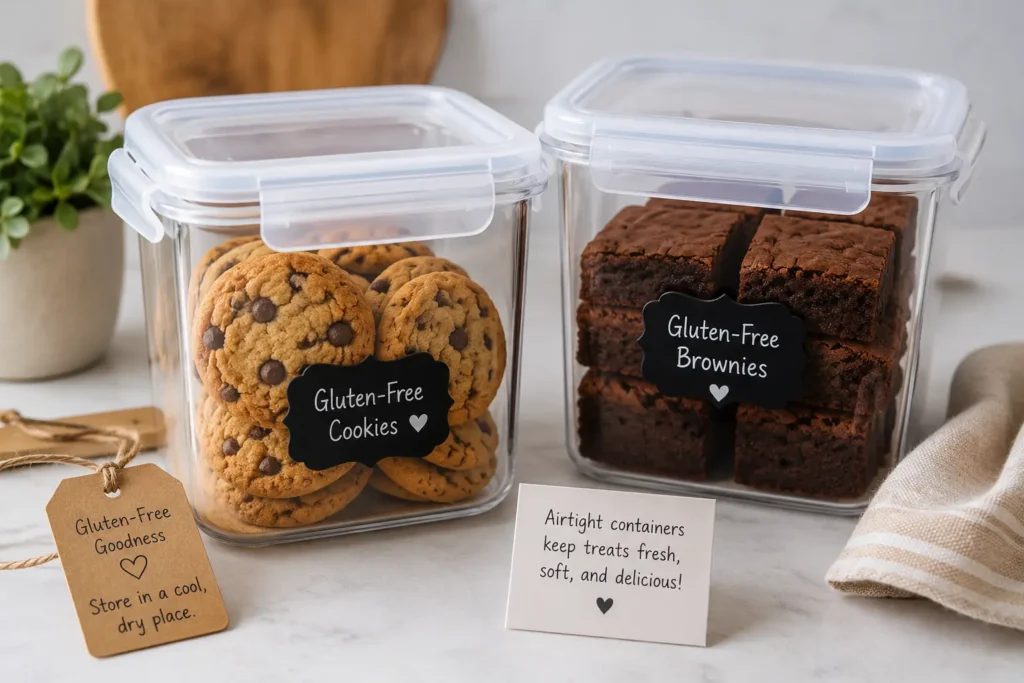
Preparing desserts ahead of time can save both effort and stress, especially during holidays or special events.
Room Temperature Storage
Many cookies, bars, and quick breads can be stored at room temperature for several days in a sealed container.
To help maintain freshness:
- Keep them away from direct sunlight.
- Avoid excessive humidity.
- Place parchment paper between stacked layers.
Refrigeration
Refrigeration is best for desserts containing:
- Cream cheese
- Custard
- Whipped cream
- Fresh fruit toppings
- Yogurt
Allow refrigerated desserts to sit at room temperature for a short time before serving if you prefer a softer texture.
Freezing
Many gluten-free desserts freeze surprisingly well.
Good options include:
- Brownies
- Cookies
- Muffins
- Banana bread
- Cheesecake slices
- Flourless chocolate cake
Wrap individual portions tightly before freezing to reduce freezer burn.
Reheating
Some baked desserts taste even better after gentle reheating.
For example:
- Warm brownies for a few seconds before serving.
- Reheat fruit crisps until the filling bubbles.
- Toast slices of banana bread and serve with butter or nut butter.
Always avoid overheating, which can dry out gluten-free baked goods.
Conclusion
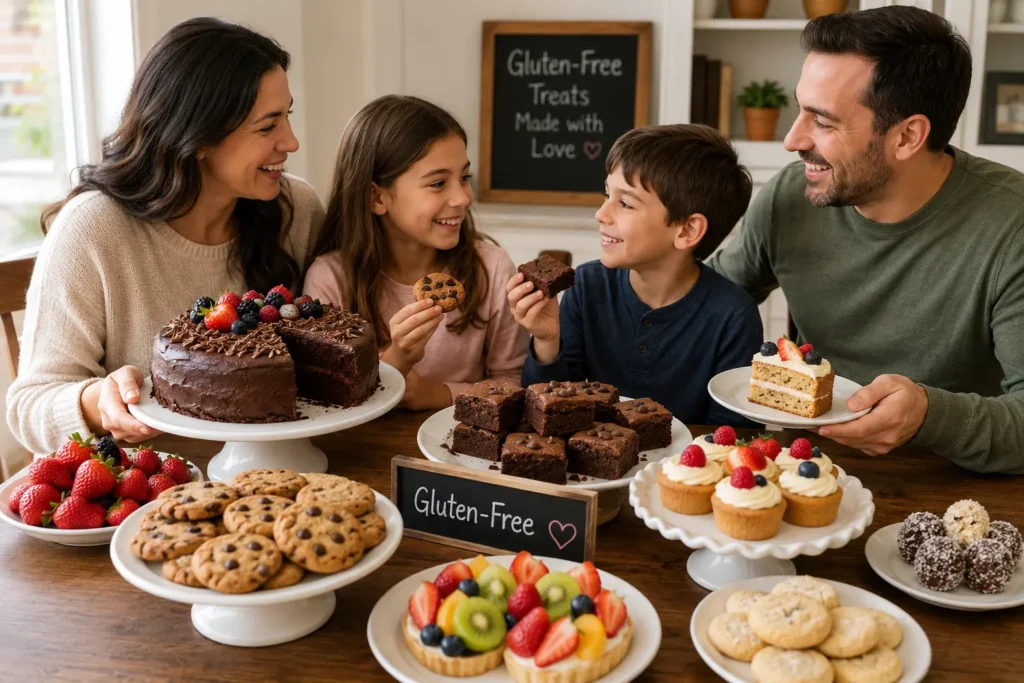
Gluten-free baking has become more accessible than ever. With the right ingredients, a few simple techniques, and reliable recipes, you can create desserts that are every bit as delicious as traditional favorites.
Whether you’re baking for yourself, a family member with celiac disease, or guests with dietary preferences, the key is to focus on quality ingredients, careful preparation, and flavors everyone will enjoy. From rich brownies and creamy cheesecakes to refreshing fruit desserts and quick no-bake treats, there’s no shortage of satisfying options.
Don’t be afraid to experiment once you’ve mastered the basics. Try different gluten-free flour blends, seasonal fruits, or creative toppings to discover your own signature desserts. Over time, you’ll gain confidence and learn which combinations work best for your taste and baking style.
Read This Article: Rasta Pasta Recipe – Creamy Jamaican Jerk Pasta in 30 Minutes
Frequently Asked Questions
1. Are all desserts naturally gluten-free?
No. Many desserts contain wheat flour, cookie crumbs, or other gluten-containing ingredients. Always check the recipe and ingredient labels carefully.
2. Are oats gluten-free?
Oats themselves do not naturally contain gluten, but they are often processed alongside wheat. If you’re baking for someone who must strictly avoid gluten, choose oats labeled as certified gluten-free.
3. Which gluten-free flour tastes most like wheat flour?
Many home bakers find that gluten-free all-purpose flour blends provide the closest texture and flavor to traditional wheat flour because they combine multiple flours and starches.
4. Are gluten-free desserts healthier?
Not necessarily. A dessert can be gluten-free while still containing significant amounts of sugar, butter, or calories. Gluten-free simply means it does not contain gluten.
5. Can I freeze gluten-free baked goods?
Yes. Cakes, cookies, brownies, muffins, and many other desserts freeze well when wrapped properly.
6. Why are my gluten-free cookies dry?
Common causes include:
- Too much flour
- Overbaking
- Not enough moisture
- Using the wrong flour blend
Careful measuring and following recipe instructions usually solve the problem.
7. Can I replace wheat flour with almond flour?
Not always. Almond flour behaves very differently from wheat flour and generally cannot be substituted in equal amounts unless the recipe is specifically designed for it.
8. How can I prevent cross-contamination?
Use clean utensils, mixing bowls, baking pans, and work surfaces. Store gluten-free ingredients separately, and verify packaged products are labeled gluten-free when needed.
9. What desserts are naturally gluten-free?
Examples include:
- Chocolate mousse
- Rice pudding
- Fresh fruit salad
- Pavlova
- Flourless chocolate cake
Always verify that packaged ingredients used in these desserts are gluten-free.
10. Can I make gluten-free desserts ahead of time?
Absolutely. Many cookies, brownies, cheesecakes, and cakes can be prepared a day or two in advance, and many also freeze well for longer storage.
1 thought on “Gluten Free Dessert Recipes: 35 Easy, Delicious Treats Anyone Can Make”