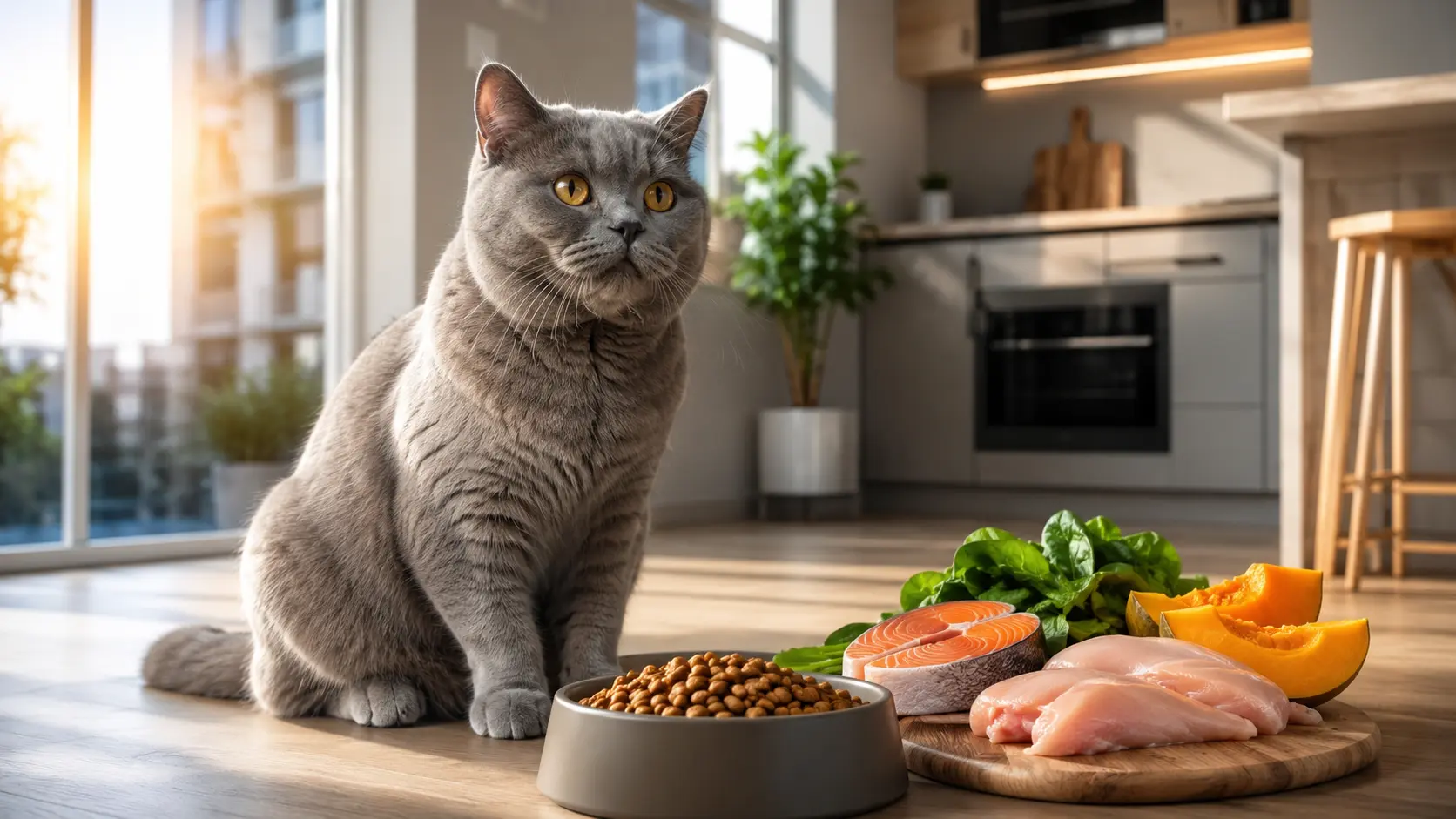
Best Food for Indoor Cats is one of the most important factors in keeping your indoor cat healthy, active, and at a healthy weight. Because indoor cats burn fewer calories than outdoor cats, they have different nutritional needs and are more likely to experience weight gain, hairballs, and urinary health issues if their diet isn’t properly balanced.
With so many cat food options on store shelves, it’s easy to feel overwhelmed. Labels often highlight phrases like “natural,” “grain-free,” or “premium,” but these marketing terms don’t always tell you whether a food meets your cat’s actual nutritional needs.
This guide explains what to look for in indoor cat food, which ingredients matter most, and how to decide between wet and dry food. Rather than promoting specific brands, you’ll learn how to evaluate any cat food with confidence.
Why Indoor Cats Have Different Nutritional Needs

Indoor cats may look just as healthy as outdoor cats, but their daily routines are very different. Most indoor cats sleep for long periods, play in shorter bursts, and don’t spend hours hunting or exploring.
These lifestyle differences affect their nutritional requirements.
Lower Activity Levels
An indoor cat usually burns fewer calories throughout the day. If it eats more calories than it uses, the extra energy is stored as body fat.
Over time, excess weight can make it harder for cats to jump, groom themselves, and stay active.
Choosing food with appropriate calorie levels and high-quality protein helps support lean muscle while reducing unnecessary weight gain.
Higher Risk of Obesity
Veterinarians commonly identify obesity as one of the most frequent health concerns in companion cats. However, the exact percentage of overweight pet cats varies depending on the country, study, and year. Any statistics should be verified with current veterinary sources before publication.
Maintaining a healthy body weight can lower the risk of several health issues, including:
- Diabetes
- Arthritis
- Heart strain
- Reduced mobility
- Poor grooming habits
Nutrition is only part of the solution. Daily play sessions and portion control are equally important.
Hairball Problems
Indoor cats often groom themselves more frequently, especially long-haired breeds.
This means they swallow more loose fur, increasing the chance of hairballs.
Regular brushing can help remove loose fur before your cat swallows it. See our guide to cat grooming at home for practical brushing and grooming tips.
Foods containing appropriate fiber sources may help move swallowed hair through the digestive tract instead of allowing it to accumulate in the stomach.
Different Calorie Needs
Indoor cats generally need fewer calories than highly active outdoor cats.
Instead of feeding larger portions, focus on nutrient-dense food that delivers:
- High-quality protein
- Healthy fats
- Essential vitamins
- Minerals
- Taurine
- Adequate moisture
What Makes the Best Food for Indoor Cats?

Not all cat foods are created equal. The ingredient list tells a much better story than the front of the package.
Here are the qualities worth looking for.
High-Quality Animal Protein
Cats are obligate carnivores. That means they depend on nutrients naturally found in animal tissues.
Look for foods where the first ingredient is a named animal protein such as:
- Chicken
- Turkey
- Salmon
- Tuna
- Duck
- Beef
Protein helps maintain:
- Muscle mass
- Healthy skin
- Coat condition
- Immune function
- Overall energy
Avoid judging food quality by protein percentage alone. The source and digestibility of the protein also matter.
Healthy Fats
Fat provides concentrated energy and supports healthy skin and a shiny coat.
Beneficial fat sources often include:
- Fish oil
- Chicken fat
- Salmon oil
These ingredients naturally contain omega-3 and omega-6 fatty acids, which play important roles in skin and coat health.
Fiber for Digestive Health
Indoor cat formulas often contain slightly higher fiber levels than standard adult cat foods.
Appropriate fiber may help:
- Reduce hairballs
- Support digestion
- Improve stool quality
- Increase feelings of fullness in overweight cats
Common fiber ingredients include:
- Beet pulp
- Pumpkin
- Pea fiber
- Cellulose
Taurine
Taurine is an essential amino acid for cats.
Unlike some other animals, cats cannot produce enough taurine on their own.
Adequate taurine supports:
- Vision
- Heart function
- Reproductive health
- Normal growth
Complete and balanced commercial cat foods formulated according to recognized nutritional standards are generally designed to provide sufficient taurine.
Vitamins and Minerals
A complete diet should provide balanced amounts of nutrients, including:
- Vitamin A
- Vitamin D
- Vitamin E
- Calcium
- Phosphorus
- Zinc
- Iron
Too much or too little of these nutrients can cause health problems, which is why balanced commercial diets are usually preferable to homemade recipes unless they have been formulated by a qualified veterinary nutrition professional.
Moisture Content
Water is often overlooked when discussing feline nutrition.
Many cats naturally have a low thirst drive.
Wet foods contain substantially more moisture than dry kibble and can contribute to overall hydration.
Regardless of diet, always provide clean, fresh drinking water.
Best Food for Indoor Cats: Ingredients to Look For

Reading ingredient labels becomes much easier once you know what matters.
Look for foods that contain:
Real Meat as the First Ingredient
Examples include:
- Chicken
- Turkey
- Salmon
- Lamb
Named proteins provide more transparency than vague terms like “meat” or “animal protein.”
Named Fat Sources
Look for ingredients such as:
- Chicken fat
- Salmon oil
- Fish oil
These provide energy while supporting healthy skin and coat.
Natural Fiber Sources
Fiber can help with digestion and hairball management.
Examples include:
- Pumpkin
- Beet pulp
- Pea fiber
Omega Fatty Acids
Omega-3 and omega-6 fatty acids contribute to:
- Skin health
- Coat shine
- Normal inflammatory responses
Probiotics and Prebiotics
Some indoor cat foods include ingredients that support digestive health.
These may help maintain a balanced gut microbiome, although benefits can vary depending on the individual cat and the specific formulation.
Ingredients to Limit or Avoid
Not every ingredient list is perfect.
Some ingredients deserve closer attention.
Artificial Colors
Cats don’t care what color their food is.
Artificial coloring generally serves marketing purposes rather than nutritional ones.
Excess Added Sugars
Cats have no nutritional requirement for added sugars.
Choosing foods without unnecessary sweeteners is generally a better option.
Low-Quality Fillers
Some carbohydrate ingredients are included in cat food for manufacturing and nutritional reasons.
However, foods heavily dominated by low-value fillers may provide less nutritional benefit than diets centered on high-quality animal protein.
Artificial Preservatives
Some older artificial preservatives have raised safety concerns over the years.
Many manufacturers now use alternative preservation methods, but it’s still worth reading ingredient labels carefully.
Dry Food vs Wet Food: Which Is Better?

One of the biggest questions cat owners ask is whether dry or wet food is the healthier choice.
The truth is that both can support a healthy indoor cat when they are complete and balanced.
The best choice depends on your cat’s health, preferences, and your feeding routine.
| Feature | Dry Food | Wet Food |
| Moisture | Low | High |
| Convenience | Excellent | Moderate |
| Cost | Usually lower | Usually higher |
| Storage | Easy | Refrigerate after opening |
| Hydration support | Limited | Better |
| Portion control | Easy | Easy with pre-portioned cans or pouches |
| Shelf life after opening | Long | Short |
Rather than asking which type is universally “best,” ask which one best fits your cat’s needs.
Many veterinarians recommend discussing diet choices during routine wellness visits, especially for cats with medical conditions.
Benefits of Dry Food
Dry kibble remains one of the most popular choices for indoor cats.
Advantages include:
- Convenient storage
- Longer shelf life
- Easy measuring
- Lower cost per serving
- Simple to use with automatic feeders
Dry food can work well for healthy adult indoor cats when fed in appropriate portions.
However, because it contains less moisture than wet food, ensure your cat always has access to fresh water.
Benefits of Wet Food
Wet food offers several nutritional advantages.
Its higher moisture content can help increase overall water intake, which may benefit cats that naturally drink very little.
Additional benefits include:
- Softer texture
- Strong aroma that appeals to picky eaters
- Easier to chew for some senior cats
- A greater feeling of fullness because of its water content
After opening, unused portions should be refrigerated and used according to the manufacturer’s instructions.
Is Mixed Feeding a Good Option?
For many households, combining wet and dry food offers the best of both worlds.
A mixed-feeding routine may provide:
- Added hydration from wet food
- Convenience of dry kibble
- More variety
- Flexible meal planning
For example, an owner might serve wet food in the morning and a measured portion of dry food in the evening.
The key is ensuring that the total daily calories remain appropriate for your cat’s age, size, activity level, and body condition.
Transitioning to a new feeding routine gradually over several days can also help reduce the chance of digestive upset.
Choosing the Best Food for Your Cat’s Life Stage
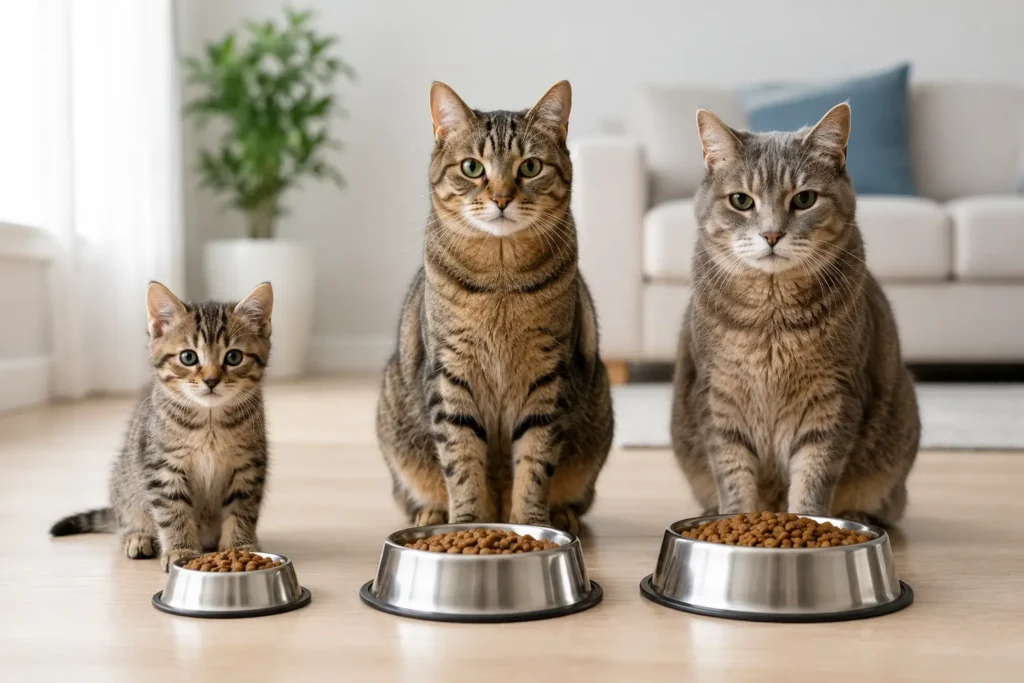
A kitten, an adult cat, and a senior cat all have different nutritional needs. Feeding a life-stage-appropriate diet helps support healthy growth, maintain muscle, and meet changing energy requirements.
Indoor Kittens
Kittens grow rapidly during their first year and require more calories and nutrients than adult cats.
Look for food that is:
- Formulated specifically for kittens
- Rich in high-quality animal protein
- Complete and balanced for growth
- Easy to chew and digest
Young kittens also benefit from several small meals throughout the day instead of one or two large meals.
Adult Indoor Cats
Once your cat reaches adulthood, the focus shifts from growth to maintaining a healthy weight and muscle mass.
Choose a food that provides:
- High-quality animal protein
- Moderate calorie content
- Balanced vitamins and minerals
- Fiber to support digestion and hairball control
Regular exercise and portion control are just as important as the food itself.
Senior Indoor Cats
As cats age, their metabolism, activity level, and health needs may change.
Many senior cats benefit from diets that are:
- Easy to digest
- Rich in high-quality protein
- Appropriate for their calorie needs
- Formulated to support healthy aging
Some older cats have medical conditions that require prescription diets. If your senior cat has kidney disease, diabetes, or another chronic illness, consult your veterinarian before changing foods.
Choosing Food Based on Your Cat’s Health Goals
The “best” food isn’t the same for every indoor cat. Consider your cat’s individual needs.
Weight Management
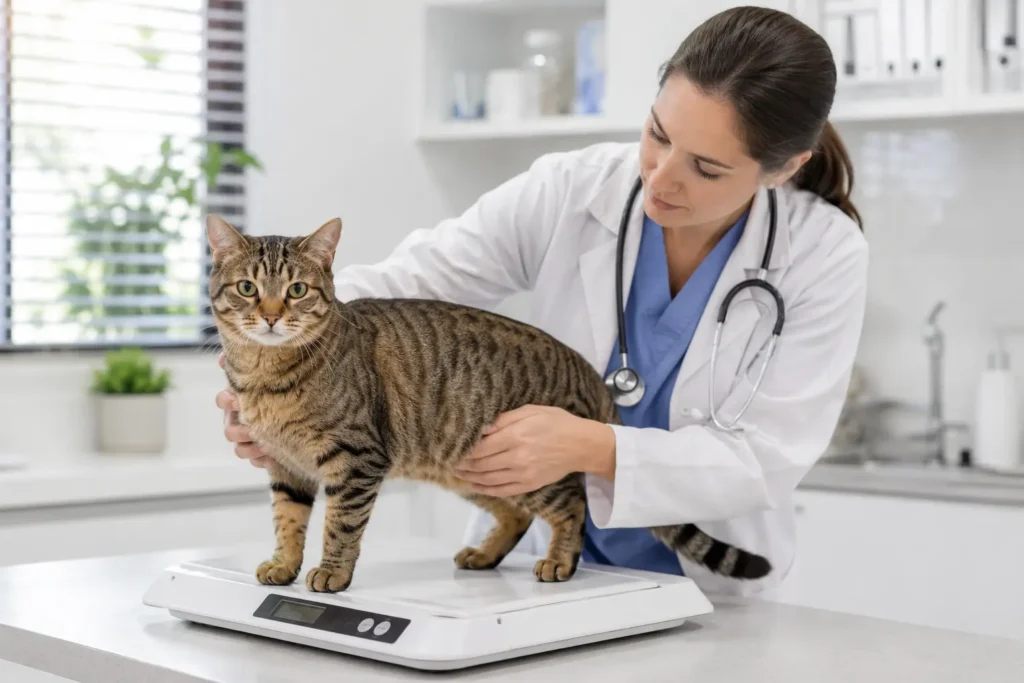
If your cat is gaining weight, look for foods that help maintain a healthy body condition.
Helpful features include:
- Moderate calorie density
- High-quality protein
- Appropriate fiber content
- Clearly labeled feeding guidelines
Avoid making large portion estimates. Measuring food with a kitchen scale or measuring cup can improve accuracy.
Hairball Control
Cats naturally swallow hair while grooming.
Hairball-control formulas often contain added fiber to help move swallowed hair through the digestive tract.
Daily brushing can also reduce the amount of loose fur your cat ingests.
Sensitive Stomach
Some cats experience digestive upset when changing foods or eating certain ingredients.
If your cat has a sensitive stomach:
- Introduce new food gradually.
- Avoid frequent diet changes.
- Choose easily digestible formulas if recommended by your veterinarian.
- Monitor vomiting, diarrhea, or reduced appetite.
Persistent digestive problems should always be evaluated by a veterinarian.
Urinary Health
Adequate hydration is an important part of urinary tract health.
Many owners encourage water intake by:
- Feeding some wet food
- Providing multiple water bowls
- Using a cat water fountain
- Keeping water fresh and clean
Cats with urinary tract disease may require specialized diets prescribed by a veterinarian.
Food Allergies or Sensitivities
True food allergies are less common than many people assume, but they do occur.
Possible signs include:
- Itchy skin
- Excessive scratching
- Ear infections
- Digestive upset
If a food allergy is suspected, your veterinarian may recommend an elimination diet to identify the trigger.
How Much Should You Feed an Indoor Cat?
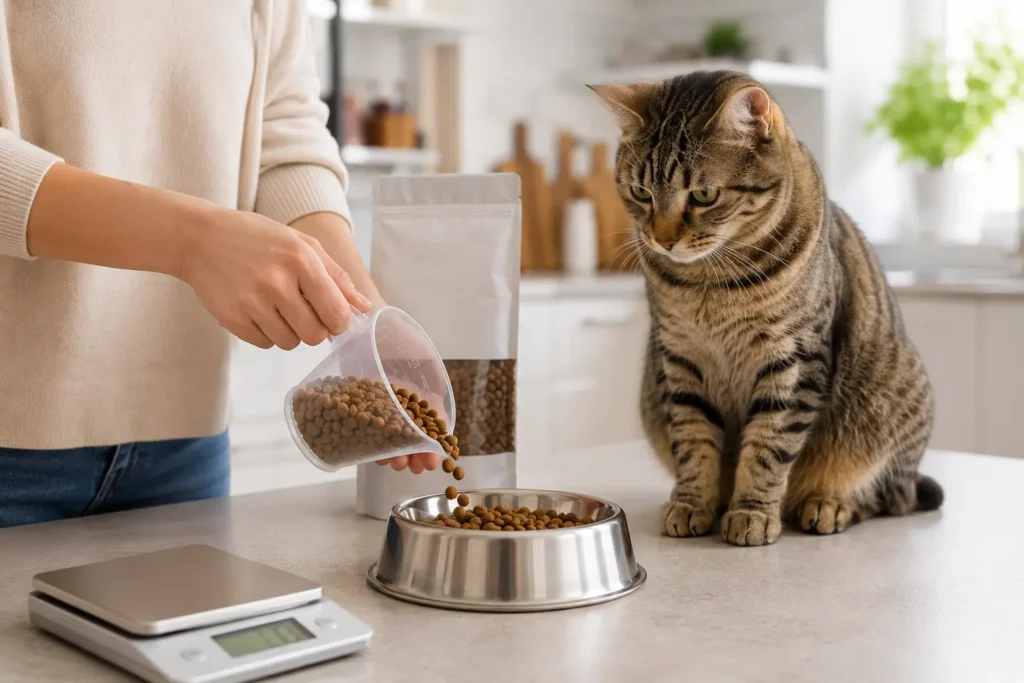
Even the highest-quality food can contribute to weight gain if portions are too large.
The correct amount depends on several factors, including:
- Age
- Body weight
- Activity level
- Body condition
- Whether your cat is spayed or neutered
- The calorie content of the food
Rather than relying on guesswork, follow the manufacturer’s feeding guide as a starting point and adjust based on your cat’s condition and your veterinarian’s advice.
Note: Daily calorie recommendations vary depending on the individual cat. Verify any calorie charts with current veterinary guidance before publishing.
Practical Portion Tips
- Measure every meal.
- Limit treats to a small portion of daily calories.
- Monitor your cat’s weight regularly.
- Adjust portions gradually if your cat gains or loses weight.
- Avoid leaving unlimited food available unless specifically advised.
How to Switch Cat Food Safely
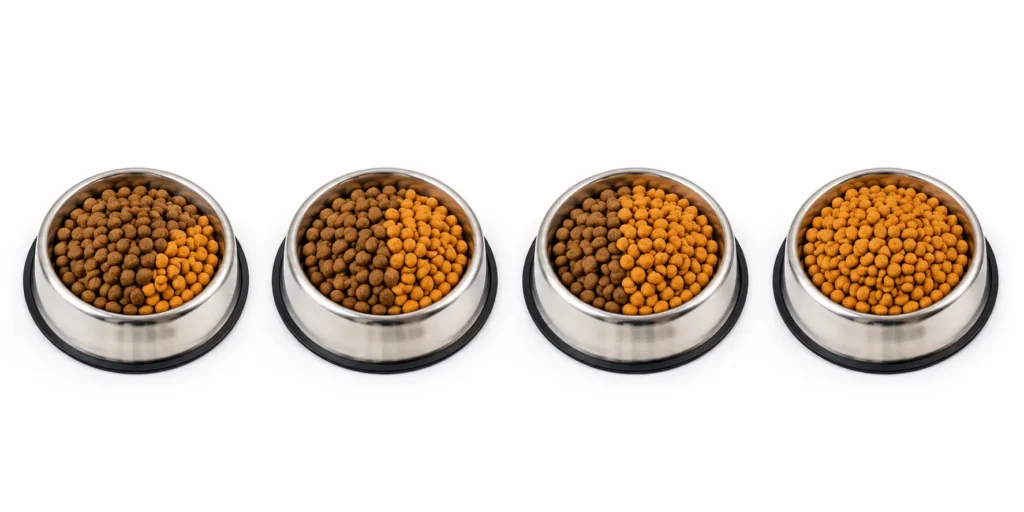
Changing food too quickly can upset your cat’s digestive system.
A gradual transition is usually the safest approach.
| Day | Current Food | New Food |
| 1–2 | 75% | 25% |
| 3–4 | 50% | 50% |
| 5–6 | 25% | 75% |
| 7+ | 0% | 100% |
Some cats may need an even slower transition, especially those with sensitive stomachs.
During the switch, watch for:
- Vomiting
- Diarrhea
- Reduced appetite
- Lethargy
If these signs persist or become severe, stop the transition and contact your veterinarian.
Common Feeding Mistakes
Even experienced cat owners can make simple mistakes that affect their cat’s health.
Free Feeding All Day
Leaving food available at all times makes it difficult to monitor calorie intake.
Scheduled meals often make portion control easier.
Overfeeding Treats
Treats should complement a balanced diet—not replace it.
Choose nutritious treats and offer them in moderation.
Ignoring Body Condition
The number on the scale isn’t the only indicator of health.
Regularly check your cat’s:
- Waistline
- Rib coverage
- Muscle condition
- Activity level
Your veterinarian can show you how to assess your cat’s body condition score during a routine visit.
Switching Foods Too Often
Frequently changing diets may lead to digestive upset in some cats.
Unless there is a medical reason or your veterinarian recommends otherwise, consistency is often beneficial.
Choosing Food Based Only on Marketing Claims
Terms such as “premium,” “natural,” or “gourmet” may sound appealing, but they don’t necessarily indicate nutritional quality.
Instead, evaluate:
- Ingredient list
- Nutritional adequacy statement
- Life-stage suitability
- Your cat’s individual needs
Conclusion
Choosing the best food for your indoor cat isn’t about finding the most expensive bag on the shelf—it’s about understanding your cat’s individual needs and selecting a complete, balanced diet that supports long-term health.
Start by focusing on the fundamentals: high-quality animal protein, appropriate calorie levels, essential nutrients, and ingredients that match your cat’s age, lifestyle, and health status. Whether you feed wet food, dry food, or a combination of both, consistency, proper portion control, and access to fresh water are just as important as the food itself.
Remember that no single diet is perfect for every cat. Monitor your cat’s weight, appetite, coat condition, energy level, and overall well-being, and adjust your approach as needed with guidance from your veterinarian.
Finally, avoid relying solely on marketing claims or internet trends. Reading ingredient labels, choosing foods that meet recognized nutritional standards, and staying informed through trusted veterinary resources will help you make confident decisions for your feline companion.
With thoughtful feeding habits and regular veterinary care, your indoor cat can enjoy a healthy, active, and happy life for years to come.
Read This Article: Kitten Feeding Schedule by Age: A Complete Guide for Healthy Growth
Frequently Asked Questions
1. Do indoor cats really need special indoor cat food?
Not always. The most important factor is choosing a complete and balanced diet that matches your cat’s age, health, and activity level. Many indoor-specific formulas are designed with lower calorie density or added fiber, which may benefit some cats.
2. Is wet food healthier than dry food?
Neither is automatically healthier. Wet food provides more moisture, while dry food is convenient and often more affordable. Many cats do well on either, or a combination of both.
3. How often should I feed my indoor cat?
Most healthy adult cats are fed two measured meals each day. Kittens usually need more frequent meals, while feeding schedules for senior cats may vary depending on their health.
4. Is grain-free cat food better?
Not necessarily.
Unless your veterinarian identifies a specific dietary need, there is no universal evidence that grain-free diets are better for every cat. Discuss any major dietary changes with your veterinarian.
5. Can indoor cats eat only dry food?
Yes, many healthy cats do well on dry food, provided it is complete and balanced, and they have constant access to fresh water.
6. How can I help prevent hairballs?
Helpful strategies include:
- Regular brushing
- Adequate hydration
- Foods with appropriate fiber
- Maintaining a healthy weight
7. How do I know if my cat likes its food?
A cat that readily eats its meals, maintains a healthy weight, has a shiny coat, normal stools, and good energy levels is generally adapting well to its diet.
Any sudden loss of appetite should be evaluated promptly.
8. Should I feed homemade cat food?
Homemade diets can be difficult to balance correctly.
Unless a recipe has been formulated by a qualified veterinary nutrition professional, commercial complete and balanced foods are generally the safer choice.
9. Can I switch foods whenever I want?
It’s best to avoid sudden changes.
Introduce new foods gradually over several days to reduce the risk of digestive upset.
10. When should I talk to a veterinarian about my cat’s diet?
Seek veterinary advice if your cat:
- Gains or loses weight unexpectedly
- Stops eating
- Vomits frequently
- Has ongoing diarrhea
- Develops urinary problems
- Has a chronic medical condition
- Needs a prescription diet
1 thought on “Best Food for Indoor Cats: A Complete Vet-Informed Guide to Healthy Nutrition”