Watching your dog ignore a full food bowl can be frustrating and worrying. If you’re searching for the best food for picky dogs, you’re not alone. One day your dog eagerly finishes every meal, and the next they sniff the food, walk away, or wait for something tastier. Many pet owners face this challenge at some point and wonder whether it’s simply picky behavior or a sign of a bigger problem.
The encouraging news is that picky eating does not always indicate a serious health problem. Some dogs naturally have stronger food preferences, while others become selective because of treats, table scraps, frequent food changes, stress, or changes in their environment. However, a sudden loss of appetite can sometimes signal an underlying medical condition that requires veterinary attention.
This guide explains why dogs become picky eaters, when you should contact a veterinarian, what makes food more appealing to dogs, and which types of dog food may work best. You’ll also learn practical strategies for encouraging healthy eating habits without creating long-term feeding problems.
The goal is not simply to find the tastiest food—it’s to choose a complete and balanced diet that supports your dog’s long-term health while encouraging consistent eating.
Why Dogs Become Picky Eaters
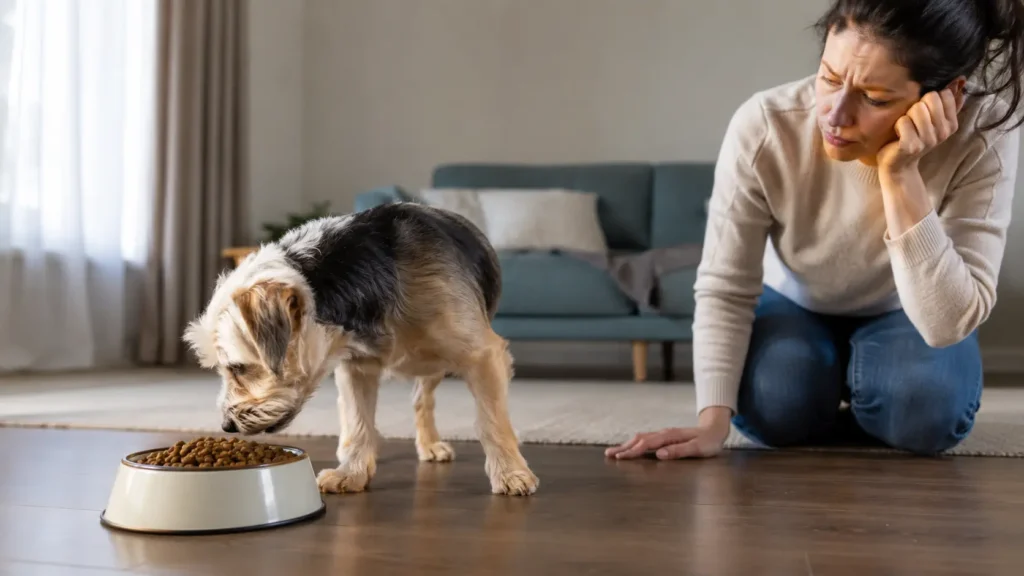
Understanding why your dog refuses food is the first step toward solving the problem. In most cases, picky eating falls into one of three categories:
- Medical causes
- Behavioral causes
- Environmental causes
Identifying the underlying reason helps you choose the right solution instead of repeatedly changing foods.
Medical Causes
A healthy dog usually maintains a fairly consistent appetite. When eating habits change suddenly, it’s important to rule out medical problems before assuming your dog is simply being fussy.
Dental Problems
Painful teeth or inflamed gums can make eating uncomfortable.
Common signs include:
- Bad breath
- Drooling
- Difficulty chewing
- Pawing at the mouth
- Preferring soft foods over dry kibble
Regular dental checkups and home dental care can help prevent oral health problems that affect appetite.
Digestive Problems
Dogs experiencing stomach discomfort often eat less.
Possible causes include:
- Mild digestive upset
- Food intolerance
- Gastrointestinal disease
- Constipation
If appetite loss occurs alongside vomiting, diarrhea, or abdominal pain, contact your veterinarian promptly.
Illness or Pain
Many illnesses reduce a dog’s appetite.
Examples include:
- Fever
- Infections
- Kidney disease
- Liver disease
- Pancreatitis
- Chronic pain
A dog that suddenly refuses multiple meals should always be evaluated rather than assumed to be “just picky.”
Medication Side Effects
Some medications temporarily decrease appetite.
If your dog recently started a new prescription and stopped eating, ask your veterinarian whether reduced appetite is a possible side effect. Never stop medication without professional advice.
Behavioral Causes
Many picky eating habits develop because dogs learn that refusing food sometimes leads to something better.
Too Many Treats
Treats are valuable training rewards but should not replace balanced meals.
Dogs that receive frequent snacks throughout the day may simply not be hungry at mealtime.
Table Scraps
Feeding food from the dinner table teaches many dogs to wait for human food instead of eating their own meal.
For example:
- Your dog ignores dinner.
- You offer chicken from your plate.
- Your dog happily eats it.
- The next day, your dog waits again.
Without realizing it, owners can reinforce selective eating.
Frequent Food Changes
Switching brands every time your dog skips a meal may encourage picky behavior.
Dogs quickly learn that patience may result in a tastier option.
Instead, make food changes only when necessary and transition gradually.
Stress and Anxiety
Stress can temporarily reduce appetite.
Common causes include:
- Moving house
- Boarding
- Fireworks
- Travel
- New pets
- Changes in routine
Most dogs return to normal eating once they feel comfortable again.
Environmental Causes
Sometimes the food isn’t the problem.
The feeding environment may be.
Inconsistent Feeding Schedule
Dogs generally thrive on routine.
Offering meals at regular times helps establish healthy eating habits.
Household Distractions
Busy homes can interrupt mealtime.
Common distractions include:
- Television
- Playing children
- Other pets
- Loud noises
A quiet feeding area often improves focus during meals.
Competition Between Pets
Some dogs feel uncomfortable eating around other animals.
If you have multiple pets, feeding them separately may reduce stress and encourage better eating.
When to See a Veterinarian
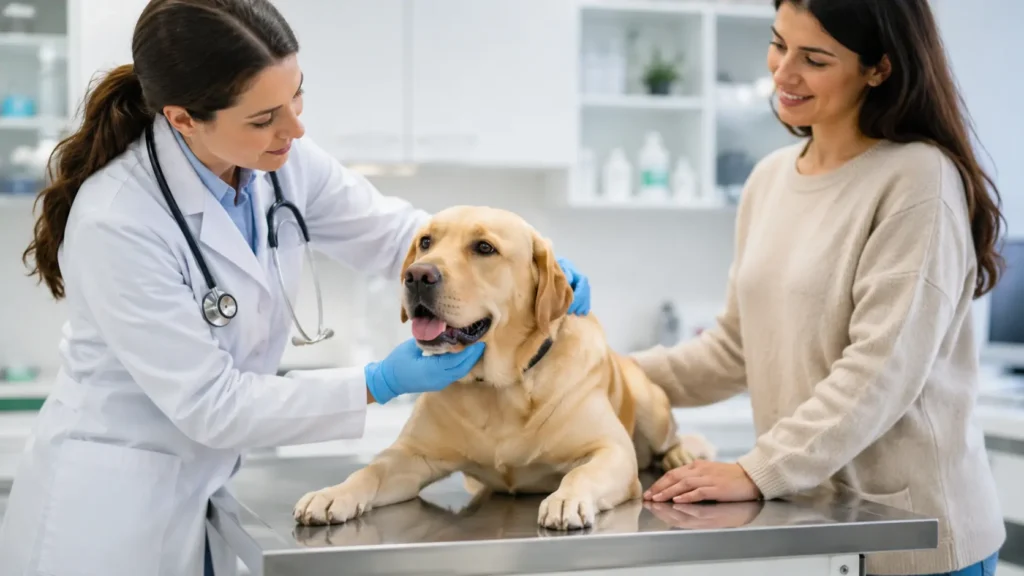
Occasional picky eating is common, but some symptoms should never be ignored.
Seek veterinary advice if your dog experiences:
- Refusing food for an extended period
- Rapid weight loss
- Vomiting
- Diarrhea
- Difficulty swallowing
- Difficulty chewing
- Excessive drooling
- Lethargy
- Signs of pain
- Blood in vomit or stool
Puppies, senior dogs, and dogs with existing medical conditions should be assessed sooner because they may become dehydrated or develop complications more quickly.
What If My Dog Eats Treats but Not Dog Food?
This is one of the most common concerns among pet owners.
Possible explanations include:
- Learned picky eating
- Dental discomfort
- Preference for softer foods
- Reduced appetite
- Early illness
Because several causes are possible, ongoing appetite changes deserve professional evaluation.
Best Food for Picky Dogs: What Makes a Food More Appealing?
Dogs experience food differently than humans.
Their powerful sense of smell plays a much greater role than appearance.
Aroma
Foods with stronger aromas often attract picky eaters.
This helps explain why many dogs prefer wet food or gently warmed meals over dry kibble.
Texture
Every dog has individual preferences.
Some enjoy crunchy kibble, while others prefer:
- Wet food
- Fresh food
- Shredded meat
- Rehydrated freeze-dried meals
Senior dogs and dogs with dental problems often prefer softer foods.
Moisture Content
Higher-moisture foods typically have:
- Stronger aroma
- Softer texture
- Easier chewing
Some dogs naturally prefer these characteristics.
Quality Protein
Many dogs find diets containing clearly identified animal proteins more appealing.
Examples include:
- Chicken
- Turkey
- Beef
- Lamb
- Salmon
Choose foods that provide complete and balanced nutrition for your dog’s life stage.
Healthy Fat
Healthy fats improve both flavor and aroma while supporting:
- Skin health
- Coat condition
- Energy requirements
Dogs with medical conditions may require specialized diets, so always follow veterinary advice.
Food Temperature
Cold refrigerated food often has less aroma.
Allowing food to reach room temperature or warming wet food slightly may encourage some dogs to eat.
Never serve food that is too hot.
Best Food for Picky Dogs: Types of Food That Work Best
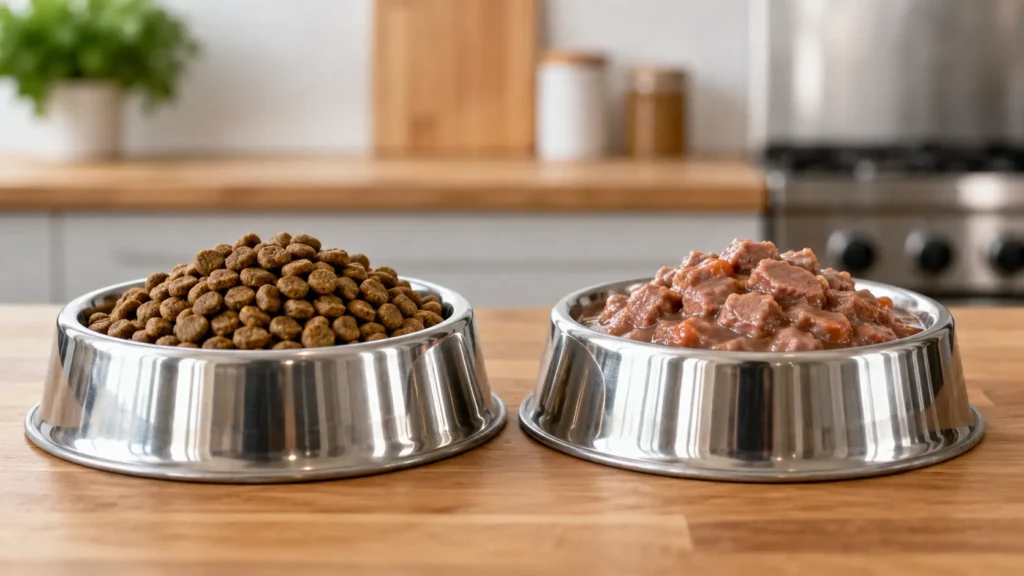
Every dog is different, but these options are commonly successful.
Wet Dog Food
Wet food is often the easiest starting point for picky eaters.
Advantages
- Strong aroma
- Soft texture
- High moisture
- Easy to chew
- Can be mixed with kibble
Considerations
- Usually more expensive
- Requires refrigeration after opening
- Shorter storage time once opened
Choose products labeled as complete and balanced.
Dry Dog Food
Dry kibble remains a practical option for many households.
Advantages
- Affordable
- Convenient
- Long shelf life
- Easy portion control
Considerations
- Less aromatic
- Harder texture
- Some picky dogs simply prefer wetter foods
Fresh Dog Food
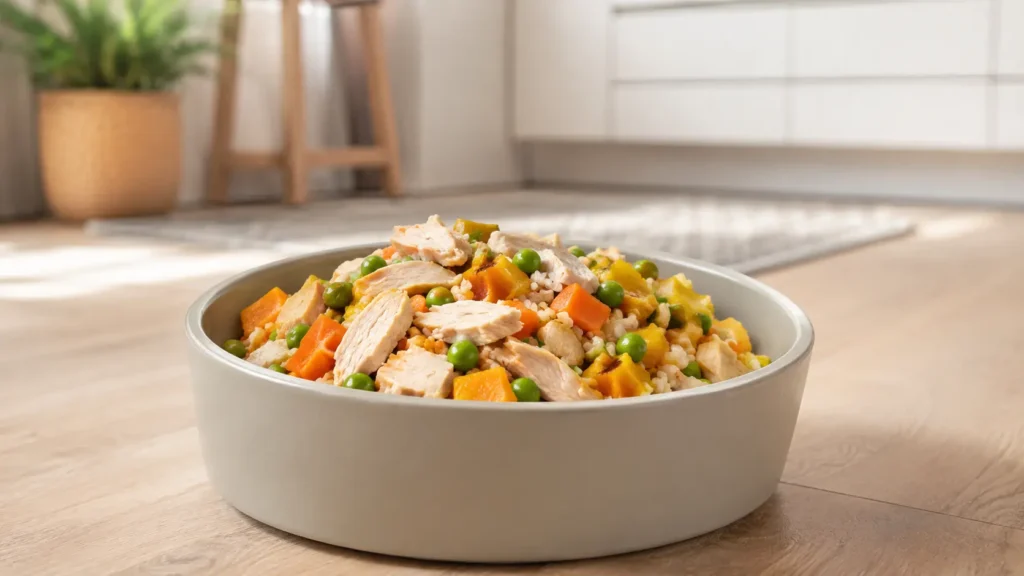
Fresh diets often appeal to selective eaters because of their aroma and texture.
Look for products formulated to provide complete and balanced nutrition.
Freeze-Dried Dog Food
Freeze-dried foods preserve flavor while remaining shelf-stable.
Many dogs enjoy them after they are rehydrated.
Air-Dried Dog Food
Air-dried diets offer:
- Rich flavor
- Convenient storage
- High palatability
They are often more expensive than traditional kibble.
Homemade Diets
Homemade meals should only be fed when nutritionally balanced.
Consult your veterinarian or a board-certified veterinary nutritionist before relying on homemade recipes as your dog’s primary diet.
Ingredients to Look For
Choose foods containing:
- Clearly identified animal proteins
- Healthy fats
- Digestible carbohydrates
- Omega-3 and Omega-6 fatty acids
- Vitamins and minerals
- Complete and balanced nutrition
Ingredients to Limit
Rather than focusing on marketing claims, evaluate the overall nutritional quality.
Discuss ingredient concerns with your veterinarian.
Some owners choose to limit:
- Artificial colors
- Poorly identified protein sources
- Diets relying heavily on low-quality fillers
- Excessive treats replacing balanced meals
Best Food for Picky Dogs Based on Age and Size

Puppies
Feed a complete puppy formula designed for healthy growth.
Adult Dogs
Choose a maintenance diet appropriate for activity level and size.
Senior Dogs
Older dogs often benefit from:
- Softer foods
- Easily chewable textures
- Senior-specific diets
Small Breeds
Many small dogs prefer:
- Smaller kibble
- Softer textures
- Stronger aromas
Large Breeds
Choose foods formulated for large breeds to help maintain a healthy body condition.
Sensitive Stomachs
If picky eating is accompanied by vomiting, diarrhea, gas, or recurring digestive discomfort, your dog may need a different approach. Ask your veterinarian whether a limited-ingredient or highly digestible diet is appropriate. For more guidance on choosing an appropriate diet, see our dog food for sensitive stomach guide.
Overweight Picky Dogs
Avoid replacing balanced meals with calorie-dense treats.
Weight management remains important even for selective eaters.
Wet Food vs. Dry Food
| Feature | Wet Food | Dry Food |
| Aroma | Strong | Mild |
| Texture | Soft | Crunchy |
| Moisture | High | Low |
| Storage | Refrigerate after opening | Easy storage |
| Cost | Usually higher | Usually lower |
| Convenience | Moderate | Excellent |
| Appeal for picky eaters | Often higher | Depends on the dog |
How to Transition to a New Food
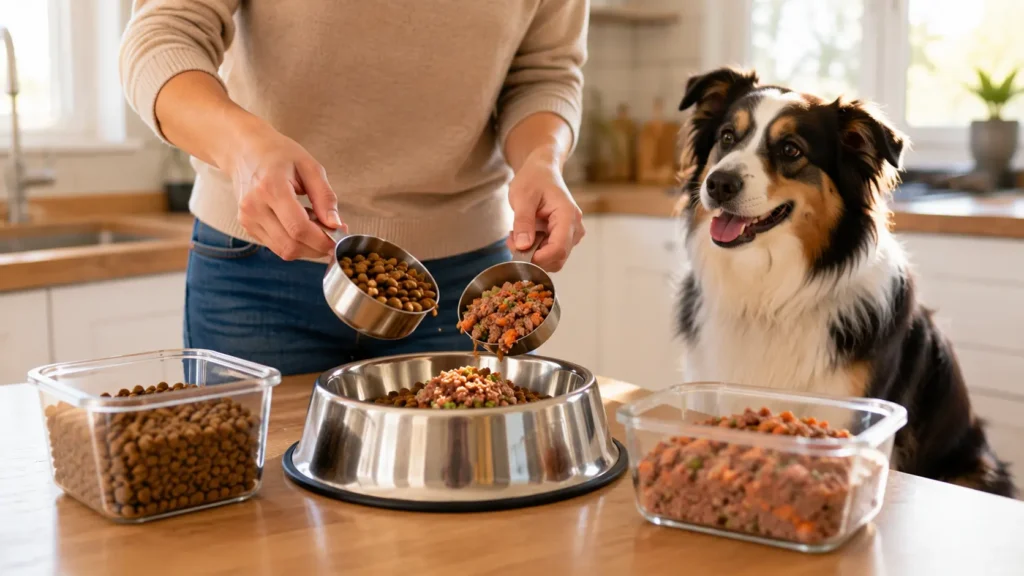
Gradually changing foods helps reduce digestive upset.
| Days | Old Food | New Food |
| 1–2 | 75% | 25% |
| 3–4 | 50% | 50% |
| 5–6 | 25% | 75% |
| 7 | 0% | 100% |
If your dog develops digestive problems during the transition, consult your veterinarian.
Tips to Encourage Better Eating
- Feed meals on a consistent schedule. Keeping meals consistent can help a picky dog develop a more predictable eating routine. For age-specific meal frequency and feeding guidance, see our dog feeding schedule by age guide.
- Limit treats between meals.
- Use veterinarian-approved meal toppers when appropriate.
- Warm wet food slightly to enhance aroma.
- Exercise your dog before meals.
- Try puzzle feeders for mental enrichment.
- Create a quiet feeding environment.
- Avoid switching foods too frequently.
Foods Dogs Should Never Eat
Some human foods can be dangerous or toxic.
Avoid feeding:
- Chocolate
- Grapes
- Raisins
- Onions
- Garlic
- Xylitol-containing products
- Alcohol
- Cooked bones
If your dog consumes a potentially toxic food, contact your veterinarian or an emergency animal poison service immediately.
Conclusion
Helping a picky dog eat better starts with understanding the reason behind the behavior—not simply buying a different food. While some dogs are naturally selective, sudden appetite changes can also point to health problems that require veterinary care.
Once medical causes have been ruled out, focus on building healthy feeding habits. Offer meals on a consistent schedule, limit treats and table scraps, and avoid changing foods too often. Choosing a complete and balanced diet with an appealing aroma and texture can make mealtime more enjoyable while supporting your dog’s long-term health.
Patience is essential. It may take time for your dog to adjust to a new routine or food, but consistency usually produces better results than frequent changes. If picky eating persists despite your efforts, consult your veterinarian for personalized guidance.
Frequently Asked Questions
Why does my dog eat treats but not regular food?
Treats may be more appealing, but dental discomfort, learned behavior, or illness can also contribute.
Is wet food better for picky dogs?
Many picky dogs prefer wet food because of its aroma and texture, but the best choice depends on the individual dog.
Should I keep changing foods?
No. Frequent changes may reinforce picky eating.
Are meal toppers safe?
Many are, provided they complement a complete and balanced diet.
Can stress cause appetite loss?
Yes. Changes in routine, travel, or loud events can temporarily reduce appetite.
Is homemade food healthier?
Not necessarily. Homemade diets must be nutritionally balanced.
Can senior dogs become pickier?
Yes. Aging, dental disease, and medical conditions may influence appetite.
What if my dog skips one meal?
A healthy adult dog may occasionally skip a meal, but repeated refusal or other symptoms require veterinary advice.
When should I call a veterinarian?
If your dog refuses food repeatedly, loses weight, appears ill, or develops additional symptoms.
1 thought on “Best Food for Picky Dogs: Vet-Approved Tips to Help Your Dog Eat Better”